
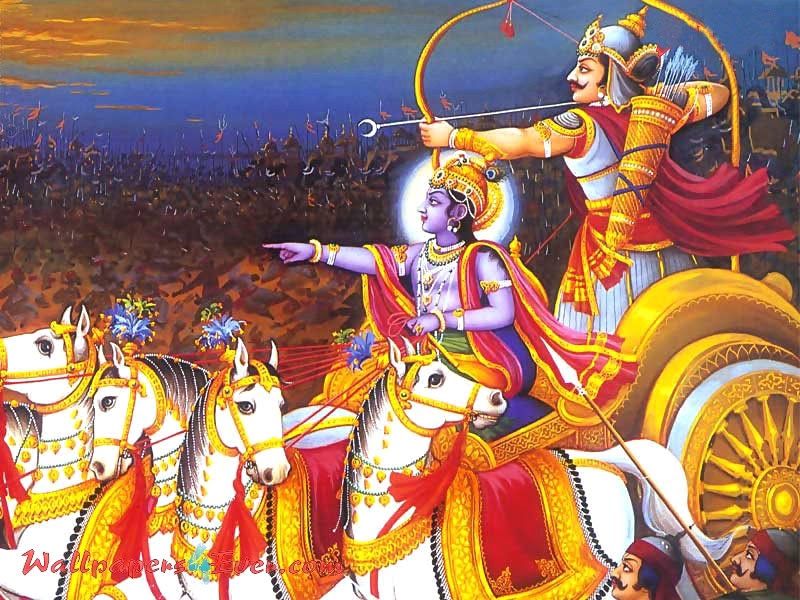
।। Shrimadbhagwad Geeta ।। A Practical Approach ।।
।। श्रीमद्भगवत गीता ।। एक व्यवहारिक सोच ।।
।। Chapter 06.13-14 ।।
।। अध्याय 06.13-14 ।।
॥ श्रीमद्भगवद्गीता ॥ 6.13-14॥
समं कायशिरोग्रीवं धारयन्नचलं स्थिरः ।
सम्प्रेक्ष्य नासिकाग्रं स्वं दिशश्चानवलोकयन् ॥१३।।
प्रशान्तात्मा विगतभीर्ब्रह्मचारिव्रते स्थितः।
मनः संयम्य मच्चित्तो युक्त आसीत मत्परः॥१४।।
“samaḿ kāya-śiro-grīvaḿ,
dhārayann acalaḿ sthiraḥ..।
samprekṣya nāsikāgraḿ svaḿ,
disas cānavalokayan..।।13।।
praśāntātmā vigata-bhīr,
brahmacāri-vrate sthitaḥ..।
manaḥ saḿyamya mac-citto,
yukta āsīta mat-paraḥ”..।।14।।
भावार्थ :
योग के अभ्यास के लिये मनुष्य को अपने शरीर, गर्दन तथा सिर को अचल और स्थिर रखकर, नासिका के आगे के सिरे पर दृष्टि स्थित करके, इधर-उधर अन्य दिशाओं को न देखता हुआ, बिना किसी भय से, इन्द्रिय विषयों से मुक्त ब्रह्मचर्य व्रत में स्थित, मन को भली-भाँति शांत करके, मुझे अपना लक्ष्य बनाकर और मेरे ही आश्रय होकर, अपने मन को मुझमें स्थिर करके, मनुष्य को अपने हृदय में मेरा ही चिन्तन करना चाहिये। (१३-१४)
Meaning:
Holding the trunk, head and neck firm and steady, observing the tip of one’s nose, and not looking around. One whose personality is calm, fearless and established in the vow of renunciation, with a restrained mind, the seeker should sit with his mind focused on me, regarding me as supreme.
Explanation:
Shri Krishna describes the method of achieving the perfect posture of meditation in this shloka. He says that the best posture for meditation is one where the trunk, head and neck are perfectly aligned. Then the focus of attention should be brought to one point in the body. The focus should not be allowed to wander.
Meditation is an inward journey into the self. The means to this journey is to slowly quieten and negate everything else but the self. The first component of the “not- self” that we have to quieten is our body. So therefore, Shri Krishna tells us to keep our body absolutely firm and steady. Good posture is the best way to achieve this firmness. In this regard, he advises us to align the head, neck and trunk of the body.
For most of us, sitting still in one place and in one posture for even 10-15 minutes is a challenge in itself. Our willpower gets tested. Therefore this is where we should begin. Once we can sit still for 10-15 minutes, we should gradually increase the time to at least 25-30 minutes. If we do nothing else but manage to sit still for 30 minutes, that in itself is a wonderful preparatory step to meditation. The mind will vehemently resist this, but just as we gently but firmly command a child to do their homework, so must we command the mind.
Any prescription is a suggestion, no prescription is a commandment,
you know why, because meditation is not actually the posture, mediation is the job that you do with your mind.
Having brought the body under control, we should then practice focusing our attention so that the mind can be made single- pointed. Shri Krishna says that we should observe the point of our nose and keep our attention there. What is meant here is that we should lock our eyes on a single point. When we sit in one place, our mind either rushes into past memories, or creates future scenarios. Consequently, our eyes follow the mind and start moving. So therefore, we should focus our eyes on one point so that our attention becomes focused as well.
Breath regulation is an important part of any meditative practice. Controlling the breath directly is an effective technique for focusing the mind, but it needs to be learned from a master otherwise it could prove dangerous. Shri Krishna suggests that we subdue our mind and thoughts instead. Since the mind and the breath are connected, the breath automatically will be regulated if the mind is controlled.
The mind has disturbances from two quarters; one is from our past experiences, we might have regrets, bitterness, anger, irritation, etc. which can surface during meditation; because the mind is full of vāsanas or experiences; they all remain deep within; and when the misurface,iet at the time of mediation; all the problems within can surface; during day- to- day transactions, they do not surface; because the mind is pre-occupied. But in meditation, when we withdraw the mind from the external world, the conscious mind is free now, and therefore from the sub-conscious mind, our past experiences can come up and disturb; this is the regrets of the past.
So past does not disturb me; future does not disturb me; that means what; the present is fully available for me; to utilise for meditation. Normally the present is not available; because the present is afflicted by past and future; when I handle these two, the present time is available for meditation.
So far, Shri Krishna has covered the quietening of the body and breath. Next, he covers the object that is to be meditated upon. This shloka continues the topic of the method of meditation. Once we have made all the physical preparations and are ready to begin meditation, the question comes up: what do we meditate upon? What should be the object of our meditation? Shri Krishna has a simple answer. He says – meditate upon me. He asks us for two things: to focus our mind on him, and to regard him as the highest goal to be attained.
For beginning seekers, the notion of meditating upon the abstract aatmaa or self is difficult. To that end, he asks the seeker to choose any one form of Ishvara that the seeker takes delight in. Unless the seeker learns to take delight in one form of Ishvara, he will need a lot of effort to focus his mind on Ishvara. The seeker needs to put effort in making Ishvara his goal. This is why Shri Krishna repeatedly urges us to detach from sense pleasure and attach ourselves to something higher. Otherwise, if we love food for example, we will begin to meditate on food since it will be the first thing that pops into our mind when meditating.
What are the other prerequisites of a meditator? His personality or aatmaa is prashaanta. In other words, he is a calm, quiet and deep person. Only when the seeker’s mind becomes extremely quiet is meditation possible. In fact, if the mind is disturbed, even worldly things such as studying for an exam cannot be accomplished. Even though the mind is not quiet throughout the day, the meditator should take care that the mind is quiet at least during meditation time. It will take 10 minutes or so for the mind to calm all its thoughts, hence the meditator should plan on sitting for at least 15-20 minutes.
The next prerequisite is that the meditator should be vigatabheehi which means fearless, one from whom fear has completely gone away. The biggest fear that the meditator harbours is that he will lose his worldly identity, that he will drop his worldly life. That is why the meditator has to have prepared himself, following the instructions given so far, to give up his individuality. Another way of looking at this is that we fear of duality. We are scared to think that we are separate from other people, objects and situations. But one who has learned to see the sameness in everyone has eliminated this fear, because he sees his self in everyone.
Another prerequisite is that the meditator should be established with the vow of renunciation. Colloquially, the word brahmachaari means celibate. Here it means one who casts off all roles and dons the role of a seeker when he sits for meditation. He has no other pursuits in mind, no other roles in mind. He is not someone’s boss, employee, son, husband, brother and so on. If he associates with any of these roles, thoughts associated with that role will enter his mind during meditation. The only role to be assumed is that of a saadhaka or a seeker.
।। हिंदी समीक्षा ।।
बाह्य आसन के उपरान्त मन को एकाग्र करने का उपदेश दिया गया है। अब शरीर का आसन बताते हैं। साधक को इस प्रकार स्थित होकर बैठना चाहिए कि उस का मेरुदण्ड शिर और ग्रीवा एक समान सरल लम्बरूप में रहे। जिस क्षैतिज आसन में साधक बैठता है वह आधार और काया शिर और ग्रीवा उस पर लम्ब रूप में होगी। दोनों हाथों की उँगलियों को आपस में बांध कर गोद में रखे। यहाँ विशेष रूप से कहा गया है कि शरीर को अचल रखना चाहिए। अचल का अर्थ यह नहीं कि शरीर को तनाव की स्थिति में रखना है। शरीर की स्थिति सीधी लेकिन इस प्रकार तनावरहित होनी चाहिए कि वह आगे पीछे दायें बायें हिले नहीं। फिर साधक अपनी नासिका के अग्र भाग को देखे। इस कथन का शाब्दिक अर्थ नहीं लेना चाहिए। अनेक साधक लोग नासिकाग्र पर दृष्टि स्थिर कर के शीश पीड़ा चक्कर थकान तनाव आदि रोगों को व्यर्थ मोल ले लेते हैं। शंकराचार्य स्पष्ट करते हैं कि मानो नासिकाग्र को देखते हुए न कि वास्तव में। यह नहीं कहा जा सकता कि शंकराचार्य ने अपनी बुद्धि से खींचतान कर ऐसा अर्थ किया है क्योंकि भगवान् स्वयं अपने कथन को स्पष्ट करते हैं।अन्य दिशाओं को न देखते हुए श्रीकृष्ण के इस कथन से यह स्पष्ट हो जाता है कि नासिकाग्र को देखने का अभिप्राय यह है कि यहाँ वहाँ देखकर साधक को अपनी एकाग्रता भंग नहीं करनी चाहिए। यह नियम है कि जहाँ हमारी दृष्टि जाती है वहीं पर हमारा मन भी। यही कारण है कि भ्रमित अवस्था में मनुष्य की दृष्टि स्थिर नहीं रहती। दृष्टि की अस्थिरता मनुष्य के विचित्र सन्देहास्पद व्यवहार का लक्षण है और प्रमाण भी।
ध्यान में अनेक लोग विशिष्ट ज्ञान रखते है किंतु मैंने विवेकानंद जी ध्यानयोग में पढ़ा था कि ध्यान में लोम-विलोम के बाद सांस को बराबर करते हुए, मूलाधार चक्र की ओर खींच कर ले जाये, फिर थोड़ी देर रोक कर उतनी गति और समय से बाहर ले जाये। इस से मुलाचक्र की ऊर्जा ऊपर की जितनी जाएगी, उतना ही मनुष्य का संयम, विवेक एवम ज्ञान जाग्रत होगा।
ध्यान में तीन अवस्था है, जब हम प्रकृति के साथ जुड़े है तो ध्यान में अपने आसपास की घटनाओं और चिंताओं से ध्यान भटका रहता है। यदि मन मे सयंम है तो भी कामना, आसक्ति और अहम से ध्यान सांसारिक सुख सुविधा में भटकेगा। यदि ध्यान परमात्मा में ह्रदय से जोड़ कर, मन को वश में करते हुए, योगरूढ़ हो कर किया जाए तो परमात्मा की ओर जाएगा।
ध्यान में आसन एकाग्रता को बढ़ाने के लिए कहा गया है। जीव में मनुष्य का लंबवत अर्थात आकाश की ओर सीधा होता है जबकि जानवर जिन्हे तिर्यंक भी कहते है, इन का विकास धरती के समांतर अर्थात horizental होता है। इस लिए गुरत्वाकर्षण के कारण लंबवत सीधा बैठने से शरीर की ऊर्जा का संचालन ध्यान के समय सही रहता है।
ध्यान में हम एकाग्रता की ओर बढ़ते है इसलिए इंद्रिय, मन और बुद्धि को किसी एक विषय के चिंतन में लगा देते है। यह चिंतन अनित्य वस्तुओ पर अर्थात कामना, आसक्ति, मोह या लोभ या अहम का हो तो परिणाम सही नही आयेगा। किंतु यदि अनित्य में एकाग्रता में यदि पढ़ाई, खेल, अनुसंधान, व्यापार, व्यवसाय आदि में लगा दे तो हमे उच्च श्रेणी की सफलता इस संसार में मिलती है। किंतु जो नित्य नही है और अपना स्वरूप भी नही है, उस का ध्यान सात्विक या राजसी हो सकता है किंतु प्रकृति के नियम से अस्थायी होगा। फिर कालांतर में आप की सफलता को अन्य अनित्य के उपासक से चुनौती मिल सकती है जिस से आप की एकाग्रता भंग हो जाती है। इसलिए ध्यान अपने नित्य स्वरूप का लगाना चाहिए। अपने मैं की खोज कर जैसे ही हम अपने अनित्य स्वरूप को जान लेते है तो सतचित्त आनंद की ओर बढ़ जाते है। शुरुवात में ध्यान परमात्मा के मंत्र, मूर्ति या स्वरूप का हो, किंतु उसे अपने अंदर ही स्थापित करना या झांकना है।
ध्यान में बैठते ही भूतकाल की घटनाएं और मन के अपरिपक्व विचार क्रियात्मक रूप लेने लगते है। जो हम काम जाग्रत अवस्था में नही कर पाते परंतु कामना होने से वे मन में एकाग्र होने के समय उठने लगते है। ऐसे ही भविष्य की चिंता भी सताने लगती है क्योंकि हम संसार की विभिन्न गतिविधियों में तन, मन और धन से उलझे हुए है। इसलिए इस बवंडर को उठने दे और अपने को एकाग्र रखने के सांस पर और नाक की अग्र भाग पर ध्यान दे। जिस से कुछ समय बाद यह शांत हो जाएगा और आप को कलर दिखने लगेंगे। रंग प्रकृति का स्वरूप है, इसलिए यह रंग दिखते दिखते जब ध्यान में एकाग्रता बढ़ने से सफेद रंग दिखने लगेगा। इसके बाद का आप को प्रकृति अर्थात नदी, पहाड़, फूल आदि दिखते है। यह ध्यान की अवस्था है जिस में आप अपने को खोज सकते है। इसलिए इस अवस्था और आगे की अवस्था के लिए आप को गुरु की आवश्यकता होगी।
गुरु वही हो सकता है जो ब्रहमसंध हो, जो कामना, आसक्ति, मोह, माया, ममता और अहम से परे है, उसे शिष्य की तलाश नही होती। फिर जो ध्यान या योग की क्लास लगाते है, वह तो व्यवसायिक है। अतः जब हमे ध्यान की दीक्षा वह व्यक्ति दे जो नित्य की अपेक्षा अनित्य अर्थात प्रकृति के सुखों की कामना से परिपूर्ण हो, वह उस नित्य परब्रह्म का ध्यान कैसे हो, नही बता सकता। ध्यान साकार से निराकार को प्राप्त करने की कठिन यात्रा है जिसे प्राप्त करने वाला सत चित्त आनंद और परमशांति को प्राप्त होता है।
ध्यान योग के साधन में निंद्रा, आलस्य, विक्षेप एवम शीतोषणादि द्वंद विघ्न माने गए है। इन दोषों से बचने का यह बहुत अच्छा उपाय है। काया, सिर और गले को सीधा और नेत्रों को अर्धखुला रखने से आलस्य और निंद्रा का आक्रमण नही हो सकता। नाक की नोक पर दृष्टि लगा कर इधर उधर अन्य वस्तुओं को न देखने से बाह्य विक्षेप की संभावना नही रहती। आसन के दृढ़ हो जाने से शीतोषणादि द्वन्दों से बाधा होने का भय नही रहता। निंद्रा और ध्यान का आपस का संबंध अधिक है, इसलिए ध्यान लगाने वाले अक्सर ध्यान लगाते लगाते निंद्रा की अवस्था में पहुंच जाते है और अज्ञान वश उसे ही ध्यान समझते है। जीव की चेतना शक्ति के जाग्रत रहते जब उसे एकाग्र कर के किसी भी एक बिंदु, विषय, व्यक्ति, दीप की लौ या मूर्ति आदि पर केंद्रित करते है और पूरे समय की गतिविधियों को नियंत्रित करते है, तो वह ध्यान है। यदि नियंत्रण न रहे तो वह मूर्छा या निंद्रा या मतिभ्रम होता है।
कुछ काल तक ध्यान का निरन्तर अभ्यास करने के फलस्वरूप साधक को अधिकाधिक शांति और सन्तोष का अनुभव होता है अत्यन्त सूक्ष्म आन्तरिक शांति को प्राप्त पुरुष को यहाँ प्रशान्तात्मा कहा गया है। आत्मा को अपने शुद्ध और दिव्य स्वरूप में व्यक्त होने के लिए प्रशान्त अन्तकरण ही अत्यन्त उपयुक्त माध्यम है।ध्यानाभ्यास करने वाले साधक को केवल मानसिक भय के कारण आत्मानुभव की ऊँचाई नापने में कठिनाई होती है। शनै शनै योगी अपने मन की वैषयिक वासनाओं से मुक्त होता है और तदुपरांत यदि उसमें आवश्यक साधना की परिपक्वता न हो तो वह इस मन के अतीत आत्मतत्त्व के अनुभव से भयभीत हो जाता है। उसे लगता है कि वह शून्य में विलीन हो रहा है। अनादि काल से उपाधियों के साथ तादात्म्य करके जीवभाव में रहने से उसे विश्वास भी नहीं होता कि इन उपाधियों से परे किसी तत्त्व का अस्तित्व भी हो सकता है। यहाँ उन मछली बेचने वाली स्त्रियों की कथा का स्मरण होता है जिन्हें किसी कारणवश फूलों की दुकान में एक रात व्यतीत् करनी पड़ी। मछली की दुर्गन्ध की अभ्यस्त होने से वे फूलों की सुगन्ध के कारण तब तक नहीं सो पायीं जब तक कि मछली की टोकरियों को उन्होंने अपने सिरहाने नहीं रख लिया दुखदायी उपाधियों से दूर रहकर अनन्त आनन्द में प्रवेश करने से हम भयभीत हो जाते हैं। इस भय के कारण आध्यात्मिक उन्नति का मार्ग ही अवरूद्ध हो जाता है। यदि सफलता प्राप्त भी होने लगे तो इसी मानसिक भय के कारण साधक उसकी उपेक्षा कर देगा। प्रशान्तचित्त होकर शास्त्राध्ययन के द्वारा निर्भय मन नित्य ध्यान का अभ्यास करने पर भी यदि ब्रह्मचर्य व्रत में दृढ़ स्थिति न हो तो सफलता प्राप्त नहीं हो सकती। ब्रह्मचर्य व्रत औपनिषदिक अर्थ के साथ साथ इस शब्द का यहाँ विशिष्ट अर्थ भी है। सामान्यत ब्रह्मचर्य का अर्थ किया जाता है मैथुन का त्याग। परन्तु इस शब्द का अर्थ अधिक व्यापक है। केवल संभोग की वृत्ति का संयम ही ब्रह्मचर्य नहीं वरन् समस्त इन्द्रियों की प्रवृत्तियों पर नियन्त्रण होना ब्रह्मचर्य है। परन्तु यह संयम विवेकपूर्वक होना चाहिए इच्छाओं का मूढ़ दमन नहीं। असंयमित मन विषयों की संवेदनाओं से विचलित और क्षुब्ध हो जाता है और अपनी सम्पूर्ण शक्ति को विनष्ट कर देता है। इन्द्रिय संयम के इस सामान्य अर्थ के अतिरिक्त भी ब्रह्मचर्य का विशेष प्रयोजन है। संस्कृत भाषा में ब्रह्मचारी का अर्थ है वह पुरुष जिसका स्वभाव ब्रह्म में विचरण करने का हो। इस दृष्टि से ब्रह्मचर्य का अर्थ होगा अपने मन को निरन्तर ब्रह्मविचार और निदिध्यासन में स्थिर करने का प्रयत्न करना। यही एकमात्र मुख्य उपाय है जिसके द्वारा हम मन की बहिर्मुखी प्रवृत्ति को शांत एवं संयमित कर सकते हैं। मन का स्वभाव ही किसी न किसी विषय का चिन्तन करना है। जब तक उसे उत्कृष्ट लक्ष्य का ज्ञान नहीं कराया जाता तब तक उसकी विषयाभिमुखी प्रवृत्ति उनसे विमुख नहीं हो सकती। पूर्ण ब्रह्मचर्य की सफलता का रहस्य भी यही है। किसी योगी की ओर आश्चर्यचकित होकर देखने की आवश्यकता नहीं है क्योंकि हममें से प्रत्येक व्यक्ति उस योगी की सफलता को प्राप्त कर सकता है। उस सफलता के लिए आत्मसंयम की आवश्यकता है। इन्द्रियों के विषयों के आकर्षण से स्वयं को बचाने के निश्चयात्मक उपायों का ज्ञान न होने से ही मनुष्य उनके प्रलोभन में फँस जाता है और लोभ संवरण नहीं कर पाता। इस श्लोक में वर्णित तीनों गुणों से सम्पन्न साधक को ध्यान साधना में कठिनाई नहीं होती। प्रशान्ति निर्भयता और ब्रह्मचर्य ये क्रमश बुद्धि मन और शरीर को ध्यान के योग्य बनाते हैं। इन तीनों के सुसंगठित होने पर साधक को अधिकतम शक्ति एवं शान्ति प्राप्त होती है जिनका उपयोग ध्यान के लिए किया जा सकता है। इस प्रकार नवशक्ति सम्पन्न साधक क्षमतावान हो जाता है। वह अपने भटकने वाले मन को सहज ही विषयों से परावृत्त करके आत्मतत्त्व का ध्यान कर सकता है। इस श्लोक में दिया गया यह निर्देश अत्यन्त महत्वपूर्ण है कि साधक को मुझे ही परम लक्ष्य समझकर ध्यान के लिए बैठना चाहिए। यह हम अपने अनुभव से जानते हैं कि जिस वस्तु को हम सर्वाधिक महत्त्व देते हैं उसकी प्राप्ति के लिए सर्व प्रथम प्रयत्न करते हैं। इसलिए जो पुरुष परमात्मा को ही सर्वोच्च लक्ष्य समझकर निरन्तर साधनारत रहता है वह शीघ्र ही अपने अनन्त सनातन शान्त और आनन्द स्वरूप का साक्षात् अनुभव करता है।
ध्यान लगाने में यह मिथ्या भ्रम है कि संसार छूट जाता है। व्यक्ति अपने परिवार, व्यवसाय या व्यक्तिगत सांसारिक संबंधों को छोड़ने लगता है। ध्यान लगाने से आसक्ति, कामना, लोभ, मोह और अहम का क्षय होता है जिस के कारण जीव स्वस्थ और स्वच्छ तरीके से निष्काम कर्मयोगी की भांति जीवन व्यतीत कर पाता है।
ध्यान प्रकृति और ब्रह्म में जीव को अपने स्वरूप को पहचानना है। इसलिए ध्यान जीव के अज्ञान का अध्यास है। एक बार अज्ञान समाप्त होने के बाद, जैसे ही जीव को अपने स्वरूप का ज्ञान हो जाता है तो अपना शेष जीवन प्रकृति की क्रिया समझ कर व्यतीत करता है। वह स्वयं ब्रह्मसंध हो कर जीता है। इसे हम लिविंग इन सिक्स्थ सेंस का भी नाम दे सकते है।
आगे ध्यान परमात्मा में लगाने से क्या परिवर्तन होता है, पढ़ते है।
।।हरि ॐ तत सत।। 6.13-14 ।।
Complied by: CA R K Ganeriwala ( +91 9422310075)