
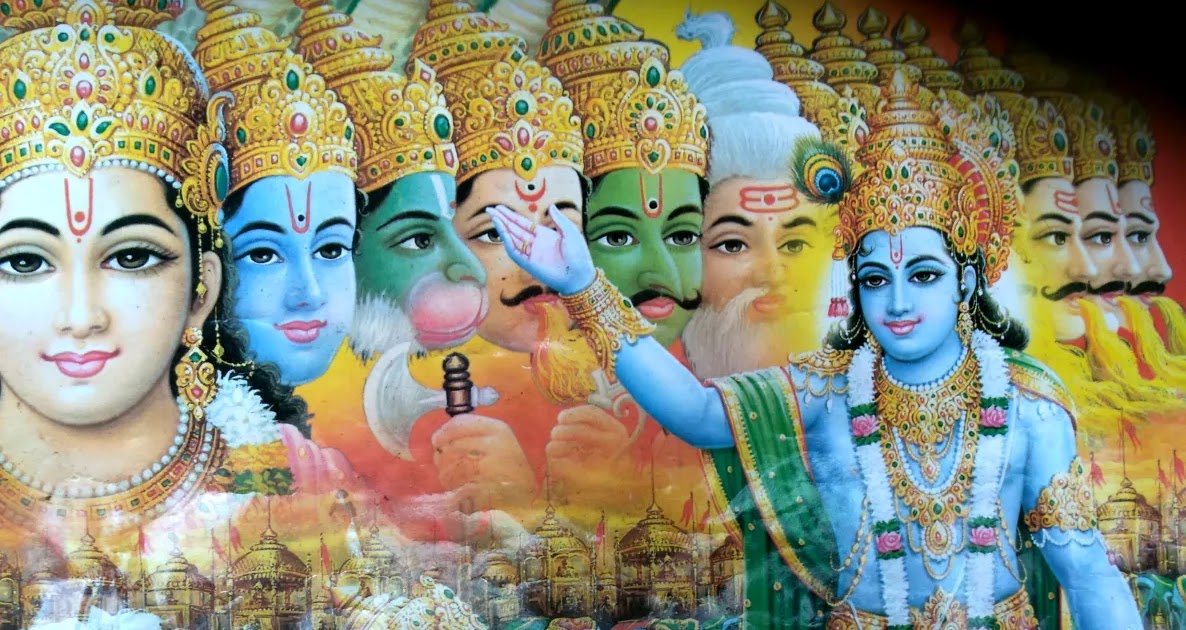
।। Shrimadbhagwad Geeta ।। A Practical Approach ।।
।। श्रीमद्भगवत गीता ।। एक व्यवहारिक सोच ।।
।। Chapter 06.12 ।।
।। अध्याय 06.12 ।।
॥ श्रीमद्भगवद्गीता ॥ 6.12॥
तत्रैकाग्रं मनः कृत्वा यतचित्तेन्द्रियक्रियः ।
उपविश्यासने युञ्ज्याद्योगमात्मविशुद्धये॥
“tatraikāgraḿ manaḥ kṛtvā,
yata-cittendriya-kriyaḥ..।
upaviśyāsane yuñjyād,
yogam ātma-viśuddhaye”..।।
भावार्थ :
मन को एक बिन्दु पर स्थित कर के, चित्त और इन्द्रिओं की क्रियाओं को वश में रखते हुए अन्तःकरण की शुद्धि के लिए योग का अभ्यास करना चाहिये। (१२)
Meaning:
Seated on that seat, making the mind single pointed, having subdued the activities of the mind and senses, engage in the yoga for purification of the self.
Explanation:
In this shloka, Shri Krishna provides a comprehensive introduction to the process of meditation, and also points out the goal of meditation. He says that the goal of meditation is to purify the intellect. The process to do that is by sitting down, controlling the mind and senses, and focusing the mind, making it single pointed.
First let us examine the goal of meditation which is the purification of the intellect. The shloka says “aatma- vishuddhaye” meaning “self- purification”. Note that the word self means the intellect here. But what does purification of the intellect mean exactly? To understand that, we need to take a step back and examine where meditation is placed with respect to the topics in the Gita. Meditation is the culmination of the entire curriculum of the Gita which aims at removing the three main defects of our personality: mala, vikshepa and aavarana.
In the third chapter of the Gita, we encountered karmayoga. It enables us to purify the first impurity of the personality known as mala or dirt. Mala causes the mind to rush out into the world of sense objects due to a sense of finitude. In other words, it causes us to act in the world. As we have seen earlier, we use karmayoga to turn this defect against itself, just like a thorn removes another thorn. Next, devotion or bhakti is used to remove the second defect known as vikshepa, which the tendency of the mind to get distracted. Chapters 7 to 12 examine bhakti in great detail.
After dealing with mala and vikshepa, the Gita addresses the last defect known as aavarana or covering. This covering prevents us from fully getting established in the knowledge of the eternal essence. Having gone through shravanam (reading and listening to knowledge) and mananam (removal of doubts), meditation helps us achieve the last step which is nidhidhyaasa or internalization of this knowledge.
So the notion that “I am not this body, I am the eternal essence” needs to be fully internalized so that it becomes second nature to us. This is the goal of meditation.
The process to achieve this goal is also addressed in this shloka. Shri Krishna asks us to sit down on that seat that was described in the previous shloka. He then asks us to make the mind single- pointed or focused. But this is easier said than done. Whenever we close our eyes and sit in meditation, the thoughts of the world rush in.
Many techniques are given in other literature in order to make this happen, including concentrating attention on a point on the wall, on a flame and so on. But the prerequisite to all of this is that we have to subdue the mind and the senses.
The Brahma Sūtra also states three aphorisms regarding the posture for meditation:
“To do sādhanā, seat yourself properly.”
“Ensure that you sit erect and still.”
“Seated in this manner, focus the mind in meditation.”
There are a number of meditative āsans described in the Hath Yoga Pradeepika, such as padmasan, ardha padmasan, dhyanveer asan, siddhasan, and sukhasan. We may adopt any āsan in which we can comfortably sit, without moving, during the period of the meditation.
“To practice meditation, sit motionless in any posture that you are comfortable in.” Some people are unable to sit on the floor due to knee problems, etc. They should not feel discouraged, for they can even practice meditation while sitting on a chair, provided they fulfill the condition of sitting motionless and erect.
Shree Krishna next describes the posture of the body that is best for concentrating the mind. In sādhanā, there is a tendency to become lazy and doze off to sleep. This happens because the material mind does not initially get as much bliss in contemplation on God as it does while relishing sense objects. This creates the possibility for the mind to become languid when focused on God. Hence, you do not find people dozing off half-way through their meal, but you do see people falling asleep during meditation and the chanting of God’s names.
Consider the example of the person that wants to remain seated inside a room. Either he will have thoughts of objects outside the room, or someone from the outside will want him to come out of the room. Similarly, when we sit for meditation, either the mind will generate thoughts of the world, or the sense organs will pick up a scent, a touch and so on that will drag the mind out. Therefore, we have to control the mind and senses before attempting meditation.
There also are some secondary benefits to meditation. If we meditate on a regular basis, we will never be reactive to situations. No matter what kind of situation comes up in front of us, we will always take time to pause and then decide. This is because the mind has already been trained to slow down the thinking process. We will then not lose our balance and not always work in a reactionary mode. We will take a good look at situation and slowly approach it meditative person will have this advantage.
Next, Shri Krishna delves into the specifics of meditation.
।। हिंदी समीक्षा ।।
जिस आसन पर क्रमशः कुश मृगछाला और वस्त्र बिछाया हुआ है उस बिछाये हुए आसन पर सिद्धासन पद्मासन सुखासन आदि जिस किसी आसन से सुखपूर्वक बैठ सके उस आसन से बैठ जाना चाहिये। आसन के विषय में ऐसा आया है कि जिस किसी आसन से बैठे उसी में लगातार दो से तीन घंटे तक बैठा रहे। यदि प्रारम्भ में कठनाई हो तो धीरे धीरे समय बढ़ाये। उतने समय तक इधर उधर हिलेडुले नहीं। ऐसा बैठने का अभ्यास सिद्ध होने से मन और प्राण स्वतःस्वाभाविक शान्त (चञ्चलतारहित) हो जाते हैं। कारण कि मन की चञ्चलता शरीर को स्थिर नहीं होने देती और शरीर की चञ्चलता क्रिया प्रवणता मन को स्थिर नहीं होने देती। इसलिये ध्यान के समय शरीर का स्थिर रहना बहुत आवश्यक है। प्रारम्भ में यह प्रक्रिया 15 मिनट से शुरू कर सकते है जो शनैः शनैः 2-3 घण्टे तक बढ़ सकती है।
आज के युग में जिन्हे घुटने में दर्द है या नीचे नही बैठ सकते, उन्हे ध्यान के लिए कुर्सी या स्टूल पर रीढ़ की हड्डी सीधे रख कर बैठना चाहिए।
ध्यान का अर्थ है बाहरी एवम आंतरिक गतिविधियों को रोक कर एकाग्र चित्त से अपने को पहचानना है। जीव स्वयं में ब्रह्म स्वरूप ही है, उस पर प्रकृति के अज्ञान के कारण उस को अपना स्वरूप नही दिखता। उथले जल में प्रतिबिम्ब नही नजर आता इसलिये शांत जल की प्रतीक्षा करनी पड़ती है, ध्यान भी बाहरी एवम आंतरिक प्रक्रिया को शांत कर के जल में अपने प्रतिबिंब को देखने के समान है। अतः शरीर, इन्द्रिय, मन एवम बुद्धि द्वारा शांत एवम एकाग्रता से ही हम आगे बढ़ सकते है।
ध्यान चिंतन का नाम है, चिंतन किसी बाह्य विषय पर नही करते हुए, अपने ब्रह्म स्वरूप का करना चाहिए, ब्रह्म स्वरूप अर्थात तत्व चिंतन। तत्व का अर्थ हम तत्+ त्वं लेते है। अर्थात जिस तत्व से तुम्हारा “मैं” तत्व है, उसे जानना।
आसन पर बैठने के समय चित्त और इन्द्रियों की क्रियाएँ वश में रहनी चाहिये। व्यवहार के समय भी शरीर मन इन्द्रियों आदि की क्रियाओं पर अपना अधिकार रहना चाहिये। कारण कि व्यवहार काल में चित्त और इन्द्रियों की क्रियाएँ वश में नहीं होंगी तो ध्यान के समय भी वे क्रियाएँ जल्दी वश में नहीं हो सकेंगी। अतः व्यवहार काल में भी चित्त आदि की क्रियाओँ को वश में रखना आवश्यक है।
चित शब्द अन्तःकरण का बोधक है। मन और बुद्धि से जो सांसारिक विषयो का चिंतन और निश्चय किया जाता है, उस का त्याग कर के उन से उपरत हो जाना ही अन्तःकरण की क्रिया को वश में कर लेना है।
अक्सर ध्यान में बैठते ही मन अपना विचरण करना शुरू कर देता है। जो कार्य आप जागते हुए नही करते या जिन कार्यो का आप निषेध करते है, वही समस्त कार्य आप को ध्यान के समय घेर लेते है। उस से ध्यान निंद्रा में परिवर्तित होने लगता है। ध्यान का अर्थ के नदी का बांध बनाना, जिस से पानी को रोक कर उस की उपयोगिता को बढ़ा देना, वैसे ही विचारो को रोक कर, मन की ऊर्जा और शक्ति को बढ़ा लेना।
एकाग्रता तो मन की वास्तविक सार्मथ्य है परन्तु कभीकभी अचानक प्राप्त हुई शांति को वह समझ नहीं पाता तब पूर्वाजित अनुभवों के स्मरण से अथवा इन्द्रियों द्वारा विषय ग्रहण से वह क्षुब्ध हो जाता है। इन्ही संकल्पों के कारण एकाग्रता भंग हो जाती है। यदि चित्त और इन्द्रियों की क्रियायों से होने वाली शांति के ह्रास को रोक दिया जाय तो मन तत्काल और सहज ही एकाग्र हो जाता है। इस प्रकार बाह्य आसन में बैठ कर अन्तकरण के द्वारा आत्मतत्त्व का ध्यान करना चाहिए।ध्यानाभ्यास का प्रयोजन ज्ञात करने की सभी साधकों की स्वाभाविक इच्छा होती है। प्रचलित धारणा यह है कि हमें आत्मा का अनुभव उसी प्रकार होगा जैसे कि किसी दृश्य वस्तु का। परन्तु श्रीकृष्ण ऐसी धारणा को दूर करते हुए कहते हैं कि ध्यान का प्रयोजन है आत्मशुद्धि अर्थात् अन्तकरण की शुद्धि। मन का विक्षेप ही उसकी अशुद्धि कहलाती है। शास्त्रों का वचन है कि प्रतिदिन दृढ़ता से ध्यान का अभ्यास करने से चित्त शुद्ध हो जाता है और ऐसे ही शुद्ध और स्थिर अन्तकरण में आत्मा का साक्षात् अनुभव होता है जो स्वयंसिद्ध नित्य उपलब्ध है। जैसे दर्पण में अपने प्रतिबिम्ब को देखकर अपनी पहचान होती है उसी प्रकार यह ध्यान विधि भी है। हमे ध्यान लगाते समय अध्याय 5 के अंतिम श्लोक 27-28 में वर्णित ध्यान की विधि का पालन भी करना चाहिए।
ध्यान किस का लगाए? अक्सर ध्यान और योग की बाते, चर्चा और भाषण बहुत होते है किंतु ध्यान किस का लगाते है इस को समझने के हमारे सामने तीन शब्द है खुद, खुदा और खुदी। व्याकरण और शब्दावली में थोड़ा सा ही अंतर है। खुद का अर्थ के स्वयं की आत्मा, खुदा यानि परमात्मा और खुदी मतलब अहम। ध्यान इन तीनों में विचरता है। इसलिए अपने को पहचानना और खुद पर ध्यान लगाना ही ध्यान है। खुदा तो खुद को पाने से ही मिल जाएगा। जब तक खुद को नही पाते, खुदा को हम मंदिर, यज्ञ, जप, भजन, कीर्तन और शास्त्रों के अध्ययन में तलाशते रहते है। यही खुदा यदि मिल भी जाए तो स्वरूप खुदी का हो जाता है और खुद कहीं खो जाता है। ईश्वर की तलाश यह – वह में नही हो सकती, उसे मैं में ही तलाशना पड़ता है। मैं नित्य है और ईश्वर भी नित्य है। तो नित्य की तलाश यह और वह की अपेक्षा नित्य में करना चाहिए। जो नित्य नही है उस में ईश्वर को तलाश करने से कुछ नही होगा। जब मैं को तलाशने जाते है तो वह देह, धर्म, जाति, सामाजिक रिश्तों या स्वरूप में नही होता। इन सब के साथ की प्रकृति के रिश्ते है, मैं का एक रिश्ता है कि वह नित्य ब्रह्म का अंश है। अतः ध्यान की शुरुवात कहीं से भी करे, ध्यान से आप को अपने मूल स्वरूप तक पहुंचना है।
ध्यान योग का अभ्यास का उद्देश्य किसी प्रकार की सांसारिक सिद्धि या ऐश्वर्य को प्राप्त करना नही है। एक मात्र परमात्मा को प्राप्त करने के उद्देश्य से ही अन्तःकरण में स्थित राग द्वेष आदि अवगुणों और पापो का तथा विक्षेप एवम अज्ञान का नाश करने के लिये ध्यान योग का अभ्यास करना चाहिए।
अब अगले श्लोक में शरीर की स्थिति और ध्यान लगाने की विधि का वर्णन पढेंगे।
।। हरि ॐ तत सत।। 6.12।।
Complied by: CA R K Ganeriwala ( +91 9422310075)