
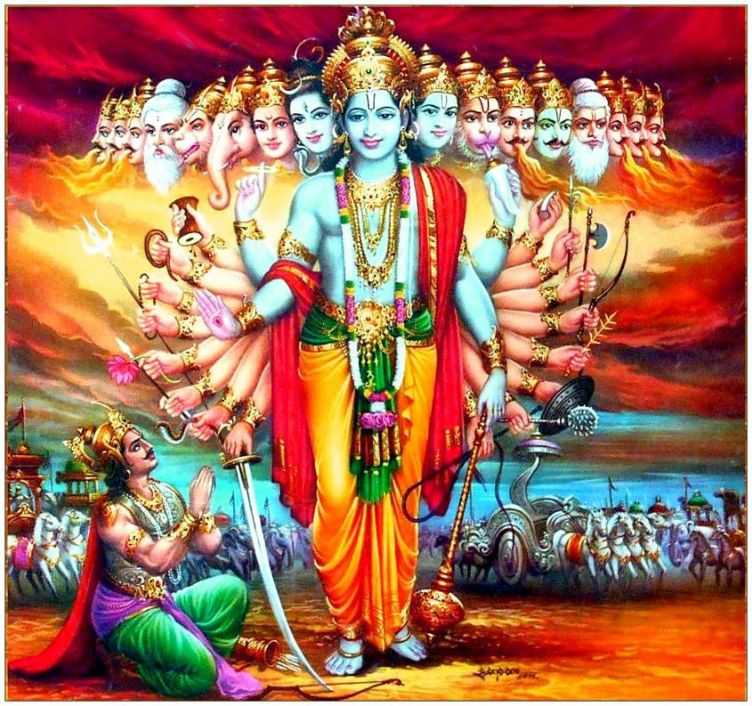
।। Shrimadbhagwad Geeta ।। A Practical Approach ।।
।। श्रीमद्भगवत गीता ।। एक व्यवहारिक सोच ।।
।। Chapter 06.07 ।।
।। अध्याय 06.07 ।।
॥ श्रीमद्भगवद्गीता ॥ 6.7॥
जितात्मनः प्रशान्तस्य परमात्मा समाहितः ।
शीतोष्णसुखदुःखेषु तथा मानापमानयोः॥
“jitātmanaḥ praśāntasya,
paramātmā samāhitaḥ..।
śītoṣṇa-sukha-duḥkheṣu,
tathā mānāpamānayoḥ”..।।
भावार्थ :
जिस ने मन को वश में कर लिया है, उस को परम-शान्ति स्वरूप परमात्मा पूर्ण-रूप से प्राप्त हो जाता है, उस मनुष्य के लिये सर्दी-गर्मी, सुख-दुःख और मान-अपमान एक समान होते है। (७)
Meaning:
One who has conquered himself, that serene person is steadfast in the supreme self, in cold and heat, in joy and sorrow, in praise and insult.
Explanation:
In the following three shlokas, Shri Krishna paints a picture of one who has realized the eternal essence through meditation, specifically with his outlook towards situations, objects and people. In this shloka, Shri Krishna tackles the meditator’s outlook towards situations. He says that the meditator who has won over his senses and mind, won over his lower nature, his mind remains well established in the eternal essence all the time. No matter what situation he finds himself in, his mind remains even calm and peaceful – “prashaantaha”.
There are only two realms in which the mind may dwell—one is the realm of Maya and the other is the realm of God. If the mind rises above the sensual dualities of the world, it can easily get absorbed in God. Thus, Shree Krishna has stated that an advanced yogi’s mind becomes situated in samādhi (deep meditation) upon God.
Such a person who has attained self- management, Krishna calls jitātma; Jitāḥ means won over; controlled, managed; and what is managed; ātma, ātma here means body- mind-sense- intellect complex, so jitātma, means the one who has learnt the art of self-discipline; self- integration; self attunement; self- orchestrisation; self- management; and therefore only praśāntasya.
I can accomplish anything in life. Dharmā, Artā, Kāma, Mōkṣa, all the four puruṣārtaḥs are accessible to me, if only I am willing to put these organs into proper use; which requires first the organs should be healthy in themselves; an unhealthy body, an unhealthy mind and intellect; cannot accomplish anything; on the other hand; they will be a burden for me.
Now, what does it mean to remain same in all situations? Let us take each aspect of the shloka one by one. Remaining same in cold and heat refers to pleasant and unpleasant situations experienced at the physical body level. Joy and sorrow and experienced as emotions at the mind level. Praise and insult are experienced either as boosters or blows to the ego. They are experienced at the intellect level. The body, mind and intellect are part of nature or prakriti. They react to situational changes, which also happen in prakriti.
We have been conditioned to respond to some situations favourably and some situations unfavourably. Our normal response to an unfavourable situation is to impose our will upon it, to change it. But in most cases, it never works. It is like the story of the king wanting to put a carpet on top of his entire kingdom’s land, rather than wear a pair of slippers.
Moreover, two people respond to the same situation differently. A child may not take a scolding from his parents as an insult, because his ego is not fully developed yet. But a teenager will, because his ego is especially sensitive towards insults from his parents.
So therefore, one who knows that situations can only impact the body, mind and intellect, but not his self, he remains peaceful in all situations. If something good or bad happens to a person whom we have no connection with, do we feel any joy or sorrow? We do not. That is the kind of understanding a realized meditator has towards his own body, mind and intellect. He does not feel the need to enter the realm of prakriti to change anything. He remains a witness of all these changes.
।। हिंदी समीक्षा ।।
ध्यान के लिये योगरूढ़ होना या योगरूढ़ होने के लिये ध्यान करना। दोनो में कोई अंतर नही होगा यदि लक्ष्य मोक्ष का हो। इसलिये भगवान श्री कृष्ण योगरूढ़ मनुष्य के लिये संकल्प त्याग, फिर निष्काम कर्म करते हुए संकल्प त्याग तक पहुँचना, उस के बाद शरीर- इन्द्रिय – मन एवम बुद्धि में संयम एवम दृढ़ता की बात करते हुए, मन को वश में रखने की बात करते है। जिस का मन वश में है, वह कैसा हो, इस को बता रहे है।
कठोपनिषद में शरीर को रथ की संज्ञा दी गई है, अतः इस को नियंत्रित मन और बुद्धि से किया जाता है। जब शरीर स्वस्थ हो, मन स्थिर हो तो बुद्धि द्वारा सही निर्णय दिया जा सकता है। इसलिए मन को समत्व भाव, आत्मविश्वास, प्रयत्न अर्थात कठिन परिश्रम और बंधन मुक्त होना आवश्यक है। बंधन मुक्त से तात्पर्य शरीर, मन और बुद्धि में किसी भी किस्म की कुंठा या राग – द्वेष न हो और स्वस्थ शरीर हो। इसी स्थिति में अर्थ, काम, धर्म और मोक्ष के चार पुरुषार्थ किए जा सकते है और किसी भी विपरीत परिस्थितियों में सम भाव में रहा जा सकता है।
सर्दी-गर्मी, सुख-दुख और मान- अपमान में जिस के अन्तःकरण की वृत्ति भली भांति शांत है, ऐसे स्वाधीन आत्मा वाले पुरुष में परमात्मा सदैव स्थित है, कभी विलग नही होता। अर्थात इंद्रियाओ एवम मन के संयम से जो शांत चित्त है वो ही अपनी आत्मा को परमात्मा बना लेता है।
जब किसी भी अनुकूल या प्रतिकूल पदार्थ, भाव, व्यक्ति या घटना का संयोग या वियोग होने पर अन्तःकरण में राग-द्वेष, हर्ष, शोक, इच्छा, भय, ईर्ष्या, असूया, काम, क्रोध और विक्षेप आदि किसी प्रकार का कोई विकार न हो, हर हालत में चित सम एवम शांत रहे। इस मे व्यक्ति का अपने चित्त एवम भावनाओ पर नियंत्रण की बात है। आप को गुस्सा कब, कहा, कैसे और कितना करना आना चाहिए। भावनाएं व्यक्त करना एवम उस का आनंद लेना ही सम भाव है किंतु भावनाओ में बह कर अपना विवेक को खो देने गलत। मनुष्य की कार्य शक्ति का स्वरूप भावनाएं ही है, क्योंकि भावनाओ में आप असंभव कार्य भी कर सकते है इस पर यदि आप का पूर्ण नियंत्रण है तो ही आप सम चित एवम जितेंद्रिय है। भावनाएं प्रकृति का सर्वश्रेष्ठ रूप है किंतु किसी भी व्यक्ति की अनियंत्रित भावनाएं उसे आत्महत्या तक ले जा सकती है। इस लिये भावनाएं नियंत्रित हो यह आवश्यक है।
प्राकृत अर्थात प्रकृति के गुणों से बद्ध रहने के कारण आत्मा को ही क्षेत्रज्ञ या शरीर की जीवात्मा कहते है, जैसे ही इन गुणों से शरीर की आत्मा मुक्त होती है, वो परमात्मा स्वरूप हो जाती है। अतः परमात्मा और आत्मा में अंतर गीता में स्वीकार करते हुए माना गया है जब तक शरीर मे स्थित आत्मा प्रकृति के गुणों से प्रभवित है अर्थात जिसे सुख-दुःख, मान- अपमान, उच्च- नीच का आभास हो एवम जो समत्व भाव में न रहे या स्थितप्रज्ञ न हो वो शरीर मे स्थित आत्मा है और इन से परे जाने पर परमात्मा स्वरूप हो जाती है।
जो शरीर इन्द्रियाँ मन बुद्धि आदि किसी भी प्राकृत पदार्थ की अपने लिये सहायता नहीं मानता और उन प्राकृत पदार्थों के साथ किञ्चिन्मात्र भी अपनेपन का सम्बन्ध नहीं जोड़ता उस का नाम जितात्मा है। जितात्मा मनुष्य अपनी तो हित करता ही है उस के द्वारा दुनिया का भी बड़ा भारी हित होता है।
जब योगारूढ़ पुरुष आत्म चिन्तन में स्थित हो जाता है तब उस में वह क्षमता आ जाती है कि वह जीवन की सभी अनुकूल और प्रतिकूल परिस्थितियों में ध्यानाभ्यास की निरन्तरता बनाये रख सकता है। बाह्य जगत् में कोई ऐसा पर्याप्त कारण नहीं रह जाता जो उसे आत्मध्यान से विचलित कर सके।
शीतउष्ण इस द्वन्द्व के द्वारा वे सभी अनुभव बताये गये हैं जो शरीर को होते हैं जैसे रोग युवावस्था वृद्धावस्था आदि।सुखदुख मन के स्तर पर प्राप्त होने वाले सभी अनुभवों को सुखदुख रूप द्वन्द्व से दर्शाया गया है। मान-अपमान की कल्पना बुद्धि की होती है और फिर मनुष्य अपनी कल्पना के अनुसार प्राप्त परिस्थितियों में प्रतिक्रिया व्यक्त करता है।शरीर मन और बुद्धि ये तीन उपाधियाँ हैं जिन के द्वारा उपर्युक्त द्वन्द्वरूप विघ्न आने की संभावनायें रहती हैं।
सर्दी-गर्मी, सुख-दुख या मान- अपमान आदि के शाब्दिक अर्थ नही लेना चाहिये कि मन या चित्त को वश में करने पर यह नही रहता। शरीर प्रकृति का ही भाग है अतः प्राकृतिक परिस्थितियों के परिवर्तन का असर शरीर पर होगा ही, किन्तु जिस ने मन को वश में कर रखा है, वह हमेशा समभाव में इन परिवर्तन से विचलित या विवेकशून्य नही होता। वह अपने पूर्वरत कर्म निष्काम से करता रहता है।
जीव और प्रकृति के संबंध में 18 तत्व से सूक्ष्म शरीर बनता है, यही सूक्ष्म शरीर ही संस्कारों, कर्मो के फल से मन की कामनाओं और आसक्ति से लिपटा है और इस का अहम इसी कारण अज्ञान में रहता है। सूक्ष्म शरीर से ही जीव विभिन्न योनियों में प्रवेश कर के जन्म – मरण के दुखो को भोगता है। इसलिए समत्व भाव में शांत मन ही बुद्धि से विज्ञानमय हो कर अपने अज्ञान से मुक्त हो सकता है। अतः मन को आत्मा के नाम से संबोधित करते हुए यही कहा गया है कि जीव के मुक्ति का मार्ग मन से गुजरता है। मन को नियंत्रित कर के सही दिशा में लगाने से ही जीव अपने लक्ष्य को प्राप्त कर सकता है।
इन परिस्थितियों का उस पर कुछ भी प्रभाव नहीं पड़ता। अनुकूल या प्रतिकूल परिस्थितयाँ हों अच्छा या बुरा वातावरण हो अथवा मूर्ख या बुद्धिमान का साथ हो आत्मज्ञानी पुरुष सदा प्रशान्त और समभाव में स्थित रहता है।
मन के नियंत्रण के अतिरिक्त योगी पुरुष की अन्य गुण हम अगले श्लोक में पढ़ते है।
।। हरि ॐ तत सत।। 6.07।।
Complied by: CA R K Ganeriwala ( +91 9422310075)