
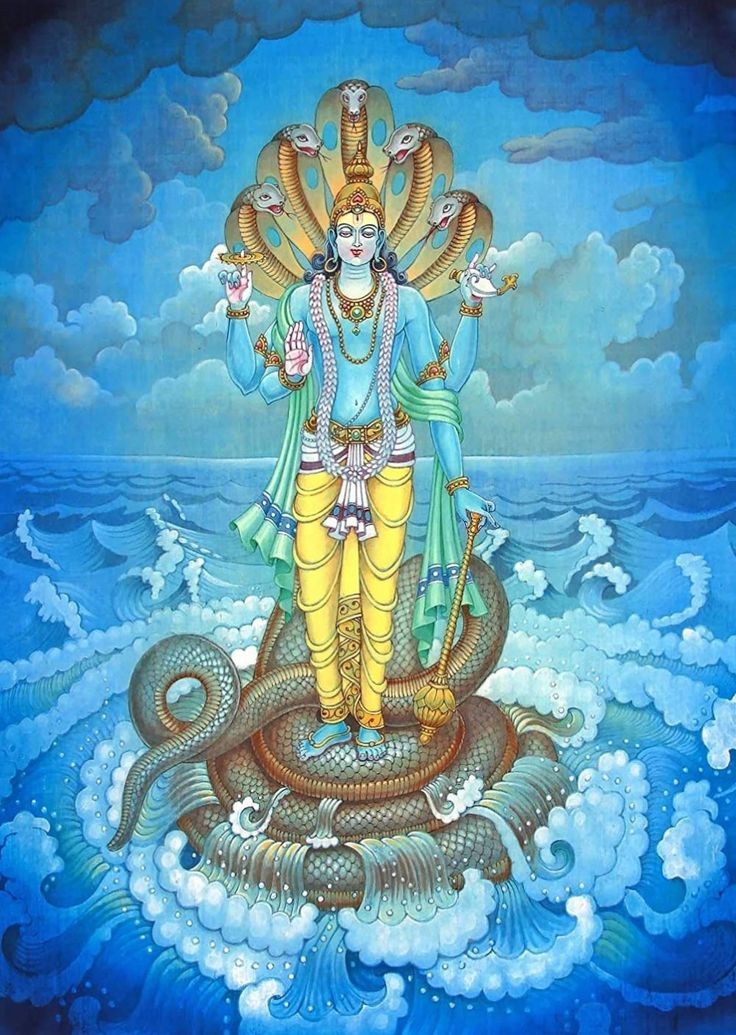
।। Shrimadbhagwad Geeta ।। A Practical Approach ।।
।। श्रीमद्भगवत गीता ।। एक व्यवहारिक सोच ।।
।। Chapter 02. 22 ।।
।। अध्याय 02. 22 ।।
॥ श्रीमद्भगवद्गीता ॥ 2.22॥
वासांसि जीर्णानि यथा विहाय नवानि गृह्णाति नरोऽपराणि ।
तथा शरीराणि विहाय जीर्णा न्यन्यानि संयाति नवानि देही ॥
“vāsāḿsi jīrṇāni yathā vihāya,
navāni gṛhṇāti naro ‘parāṇi..I
tathā śarīrāṇi vihāya jīrṇāny,
anyāni saḿyāti navāni dehī”..II
भावार्थ :
जिस प्रकार मनुष्य पुराने वस्त्रों को त्याग कर दूसरे नए वस्त्रों को धारण करता है, उसी प्रकार आत्मा पुराने तथा व्यर्थ के शरीरों को त्याग कर नये शरीरों को धारण करता है॥ २२॥
Meaning:
Just as an individual will discard old clothes and wears new one, so does the body-dweller discard old bodies and obtain other new bodies.
Explanation:
This is an oft-quoted shloka, and has several aspects and interpretations, just like many shlokas we have seen in this chapter. For our purposes, the main point here is that the eternal essence, or the body dweller, is separate from the human body. When the human body has outlived its purpose, the body dweller discards it and subsequently inherits a new body.
Transference of the atomic individual soul to another body is made possible by the grace of the Supersoul. The Supersoul fulfills the desire of the atomic soul as one friend fulfills the desire of another. The Vedas, like the Mundaka Upanishad, as well as the Svetasvatara Upanishad, compare the soul and the Supersoul to two friendly birds sitting on the same tree. One of the birds (the individual atomic soul) is eating the fruit of the tree, and the other bird (Krishna) is simply watching His friend. Of these two birds — although they are the same in quality — one is captivated by the fruits of the material tree, while the other is simply witnessing the activities of His friend. Krishna is the witnessing bird, and Arjuna is the eating bird. Although they are friends, one is still the master and the other is the servant.
Forgetfulness of this relationship by the atomic soul is the cause of one’s changing his position from one tree to another, or from one body to another. The jiva soul is struggling very hard on the tree of the material body, but as soon as he agrees to accept the other bird as the supreme spiritual master — as Arjuna agreed to do by voluntary surrender unto Krishna for instruction — the subordinate bird immediately becomes free from all lamentations. Both the Mundaka Upanishad (3.1.2) and Svetasvatara Upanishad (4.7) confirm this:
samane vrikshe purusho nimagno
‘nisaya socati muhyamanah
jushtam yada pasyaty anyam isam
asya mahimanam iti vita-sokah
“Although the two birds are in the same tree, the eating bird is fully engrossed with anxiety and moroseness as the enjoyer of the fruits of the tree. But if in some way or other he turns his face to his friend who is the Lord and knows His glories — at once the suffering bird becomes free from all anxieties.” Arjuna has now turned his face towards his eternal friend, Krishna, and is understanding the Bhagavad-gita from Him. And thus, hearing from Krishna, he can understand the supreme glories of the Lord and be free from lamentation.
The Nyaya Darshan gives the following argument to prove the existence of rebirth: It states that if you observe a little baby, you will find it sometimes becomes happy, sometimes sad, and sometimes fearful, without any apparent reason. According to the Nyaya Darshan, the little baby is remembering its past life, and hence experiencing these emotions. However, as it grows up, the impressions of the present life are imprinted so strongly upon its mind, that they erase most past memories. Besides, the processes of death and birth are also so painful to the soul that they erase a substantial portion of the past life’s memories.
If we have followed the line of reasoning so far, a doubt emerges. How does the eternal essence, which is all-pervading and infinite, enter and leave human bodies? Shouldn’t there just be one eternal essence, one body dweller? This question will be answered later in subsequent verses. For now, we should still consider the eternal essence as one but know that the one eternal essence gets attached to this body or that body, and perceives itself to be that body out of an error.
Though we shall understand lateron, but must keep in mind that here we can look at this verse from two different angles. If you go back to Tatva bodha, we had talked about stula sariram, suksma sariram, karana sariram, and atma. Four items we have talked about. At the time of death, which one gets destroyed among these four? It obviously stula and suksma, karana sariraṁ and atma remained out Of these four items; at the time of death the physical body alone perishes; which means the other three will survive the death of the body. Therefore, suksma sariram continues, which is nothing but the mind, along with the karma, vasanas, all of the puṇyam papam. What about the karaṇa sariram? karaṇa sariram also will continue. What about atma? When suksma, karaṇa sariram themselves continues, what to talk of atma; atma will also continue. So this suksma karaṇa sariram, I will together take it as sukṣma sariram (micro body), karaṇa sariram (nature) understood. suksma sariram also survives, atma (soul) also survives.
Note the change of meter in this verse.
।। हिंदी समीक्षा ।।
गीता के प्राय उद्धृत किये जाने वाले अनेक प्रसिद्ध श्लोकों में यह एक श्लोक है जिस में एक अत्यन्त व्यावहारिक दृष्टांत के द्वारा यह स्पष्ट किया गया है कि किस प्रकार जीवात्मा एक देह को छोड़कर अन्य देह के साथ तादात्म्य करके नई परिस्थितियों में नए अनुभव प्राप्त करता है। व्यास जी द्वारा प्रयुक्त यह दृष्टान्त अत्यन्त सुपरिचित है।
जैसे मनुष्य व्यावहारिक जीवन में भिन्नभिन्न अवसरों पर समयोचित वस्त्रों को धारण करता है वैसे ही जीवात्मा एक देह को त्यागकर अन्य प्रकार के अनुभव प्राप्त करने के लिये किसी अन्य देह को धारण करता है। कोई भी व्यक्ति रात्रिपरिधान (नाईट गाउन) पहने अपने कार्यालय नहीं जाता और न ही कार्यालय के वस्त्र पहनकर टेनिस खेलता है। वह अवसर और कार्य के अनुकूल वस्त्र पहनता है। यही बात मृत्यु के विषय में भी है।
यह दृष्टांत इतना सरल और बुद्धिग्राह्य है कि इसके द्वारा न केवल अर्जुन वरन् दीर्घ कालावधि के पश्चात भी गीता का कोई भी अध्येता या श्रोता देह त्याग के विषय को स्पष्ट रूप से समझ सकता है।
अनुपयोगी वस्त्रों को बदलना किसी के लिये भी पीड़ा की बात नहीं होती और विशेषकर जब पुराने वस्त्र त्यागकर नए वस्त्र धारण करने हों तब तो कष्ट का कोई कारण ही नहीं होता। इसी प्रकार जब जीव यह पाता है कि उसका वर्तमान शरीर उसके लिये अब कोई प्रयोजन नहीं रखता तब वह उस जीर्ण शरीर का त्याग कर देता है। शरीर के इस जीर्णत्व का निश्चय इसको धारण करने वाला ही कर सकता है क्योंकि जीर्णत्व का सम्बन्ध न धारणकर्त्ता की आयु से है और न उसकी शारीरिक अवस्था से है।
हमे यह ध्यान रखना होगा दृष्टांत समझने के दिया जाता है, उसे से तुलनात्मक मूल वस्तु भिन्न ही होती है, इसलिए बहस का विषय नहीं होती। इसलिए कुछ अल्पबुद्धि जीवी जीर्ण शब्द के तात्पर्य को न समझकर इस श्लोक का विरोध या आलोचना करते हैं। उन की मुख्य युक्ति यह है कि जगत् में अनेक बालक और युवक मरते देखे जाते हैं जिन का शरीर जीर्ण नहीं था। शारीरिक दृष्टि से यह कथन सही होने पर भी जीव की विकास की दृष्टि से देखें तो यदि जीव के लिये वह शरीर अनुपयोगी हुआ तो उस शरीर को जीर्ण ही माना जायेगा। कोई धनी व्यक्ति प्रतिवर्ष अपना भवन या वाहन बदलना चाहता है और हर बार उसे कोई न कोई क्रय करने वाला भी मिल जाता है। उस धनी व्यक्ति की दृष्टि से वह भवन या वाहन पुराना या अनुपयोगी हो चुका है परन्तु ग्राहक की दृष्टि से वही घर नये के समान उपयोगी है। इसी प्रकार शरीर जीर्ण हुआ या नहीं इसका निश्चय उसको धारण करने वाला जीव ही कर सकता है।
यह श्लोक पुनर्जन्म के सिद्धान्त को दृढ़ करता है जिस की विवेचना हम 12वें श्लोक में पहले ही कर चुके हैं। न्याय शास्त्र में इस की पुष्टि में कहा गया है कि जब नवजात शिशु अकारण ही मुस्कराता है, रोता है या घबराता है तो उस का कारण उस को अपना पुनर्जन्म याद आता है, उस की यह याद उस के उम्र बढ़ने के साथ ही मिटती जाती है। इसी प्रकार बतख के बच्चे को कोई तैरना नहीं सिखाता, बालक को स्तन से दूध पीना नही सीखना पड़ता। यह सब पूर्व जन्म के संस्कार होते है।
इस दृष्टांत के द्वारा अर्जुन को यह बात निश्चय ही समझ में आ गयी होगी कि मृत्यु केवल उन्हीं को भयभीत करती है जिन्हें उसका ज्ञान नहीं होता है। परन्तु मृत्यु के रहस्य एवं संकेतार्थ को समझने वाले व्यक्ति को कोई पीड़ा या शोक नहीं होता जैसे वस्त्र बदलने से शरीर को कोई कष्ट नहीं होता और न ही एक वस्त्र के त्याग के बाद हम सदैव विवस्त्र अवस्था में ही रहते हैं। इसी प्रकार विकास की दृष्टि से जीव का भी देह का त्याग होता है और वह नये अनुभवों की प्राप्ति के लिये उपयुक्त नवीन देह को धारण करता है। उसमें कोई कष्ट नहीं है। यह विकास और परिवर्तन जीव के लिये है न कि चैतन्य स्वरूप आत्मा के लिये। आत्मा सदा परिपूर्ण है उसे विकास की आवश्यकता नहीं।
वस्त्र बदलने के अधिकार की भांति देह के बदलने का अधिकार भी होता है या नही, इस विषय मे सिर्फ इतना ही कहा जा सकता है कि यह देह नित्य अपने अनित्य काल के मोह, लोभ, अहम आदि के अनुसार तय करता है। यह अनित्य, नित्य देह के कर्म के साथ जुड़ी हमारी आसक्ति ही हमारी नई देह या वस्त्र का चुनाव करती है।
विज्ञान भी मानता है शरीर मे प्रति क्षण कोशिकाएं बदलती रहती है, कोई भी अंग जन्म से मृत्यु तक एक हो कोशिका में नही रह कर बदलता रहता है। इसी प्रकार जीव का प्रकृति के साथ सम्बन्ध भी परिवर्तन शील है, प्रकृति अपने 6 विकारों में जन्म से विकसित हो कर क्षय को प्राप्त हो कर नष्ट हो जाती है किंतु जीव नित्य है जो कर्म बन्धन के कारण उस के फलानुसार पुनः प्रकृति से सम्बन्ध जोड़ता है और शरीर धारण करता है। यह एक प्रकार से जीव का नया वस्त्र धारण करना ही है। अर्जुन जिसे मारने की बात कर रहा है, वह नित्य जीव कभी नही मरता।
अर्जुन के लिये आत्म तत्व नया विषय होने से, उस की अधिक जानने की उत्सुकता का कारण बनता है। गीता में आप अर्जुन के पद पर भगवान को सुन रहे है और इस श्लोक के साथ गीता के उपदेश भाव मे आये अंतर को भी महसूस करेंगे। एक अच्छे प्रवक्ता का यही गुण है कि वह विषय को नीरसता के साथ न परोसे एवम समझ मे आ सके इसलिये सरल उदाहरण भी बीच बीच मे प्रस्तुत करें।
तत्वबोध में अपनी आत्मा को जानने वाले को “वेदा” कहा गया था। इसलिए तत्वविद जानता है कि शरीर स्थूल, सूक्ष्म, कारण और आत्मा का संयुक्त स्वरूप है। पंच महाभूत के स्थूल स्वरूप में सूक्ष्म, कारण और आत्मा के प्रविष्ट होने से स्थूल शरीर में प्राण का संचार होता है। अतः वस्त्र बदलना अर्थात पुराने जीण स्थूल शरीर को त्यागना और नए स्थूल शरीर में प्रविष्ट होना है। यह शरीर प्रकृति का कोई भी जीव अर्थात पशु, पक्षी, कीड़ा, मनुष्य या अन्य कोई भी जीव हो सकता है। अतः जो नही मरता या मारा जा सकता वह सूक्ष्म, कारण और आत्मा है, आत्मा अकर्ता और साक्षी मात्र है और प्रकृति के सूक्ष्म और कारण शरीर को अज्ञान से अपना स्वरूप मान लेने से वह कर्म फल के बंधन से बंध जाता है और फिर अपने अज्ञान से कर्म फलों और संस्कार के कारण विभिन्न लोकों और जन्म मृत्यु के दुखो को भोगता है। इस सूक्ष्म, कारण और आत्मा को आगे हम विस्तृत रूप में भी पढ़ेंगे।
पहले दृष्टान्तरूप से शरीरी की निर्विकारता का वर्णन कर के अब आगे के तीन श्लोकों में उसी का प्रकारान्तर से वर्णन करते हैं।आत्मा अविकारी अपरिवर्तनशील क्यों है भगवान् आगे कहते हैं ।
।। हरि ॐ तत सत ।। 02.22।।
Complied by: CA R K Ganeriwala ( +91 9422310075)