
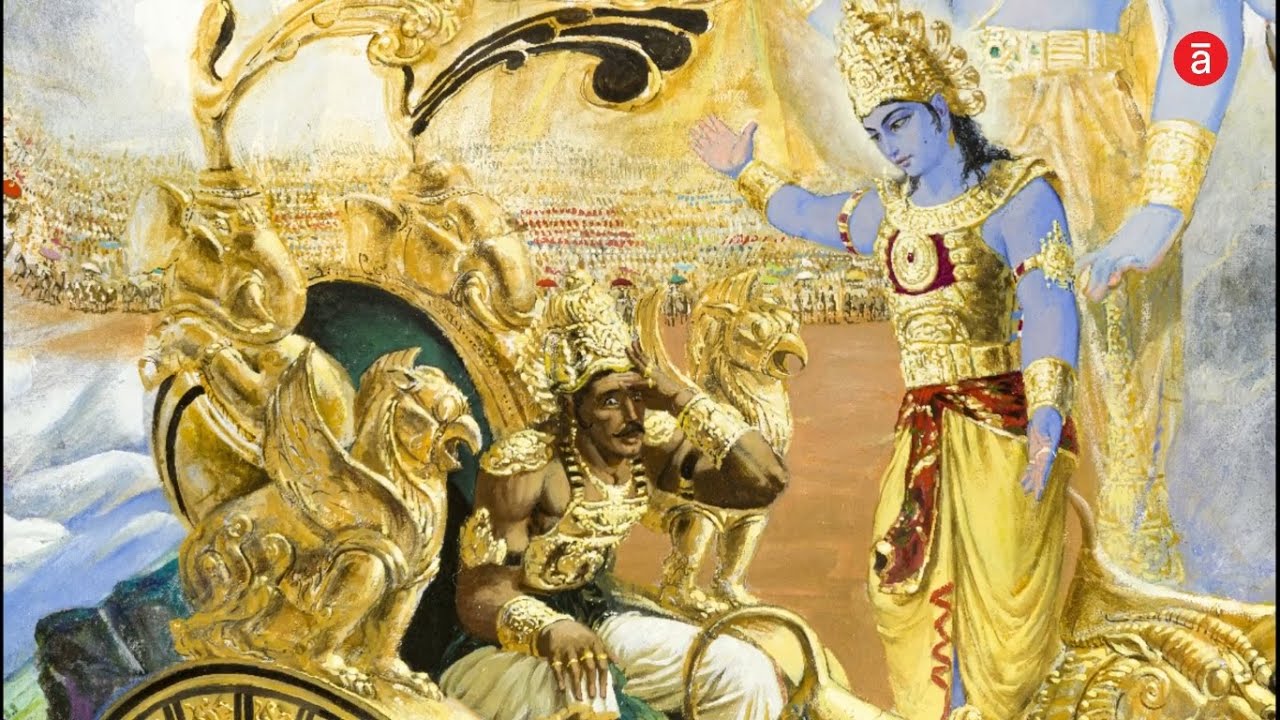
।। Shrimadbhagwad Geeta ।। A Practical Approach ।।
।। श्रीमद्भगवत गीता ।। एक व्यवहारिक सोच ।।
।। Chapter 13.06-07 II
।। अध्याय 13.06-07 II
॥ श्रीमद्भगवद्गीता ॥ 13.6-7॥
महाभूतान्यहङ्कारो बुद्धिरव्यक्तमेव च।
इन्द्रियाणि दशैकं च पञ्च चेन्द्रियगोचराः॥६।।
इच्छा द्वेषः सुखं दुःखं सङ्घातश्चेतना धृतिः।
एतत्क्षेत्रं समासेन सविकारमुदाहृतम् ॥७।।
“mahā-bhūtāny ahańkāro,
buddhir avyaktam eva ca..।
indriyāṇi daśaikaḿ ca,
pañca cendriya- gocarāḥ”..।।6।।
“icchā dveṣaḥ sukhaḿ duḥkhaḿ,
sańghātaś cetanā dhṛtiḥ..।
etat kṣetraḿ samāsena,
sa-vikāram udāhṛtam”..।।7।।
भावार्थ:
हे अर्जुन! यह क्षेत्र पंच महाभूत (पृथ्वी, जल, अग्नि, वायु और आकाश), अहंकार, बुद्धि, प्रकृति के अव्यक्त तीनों गुण (सत, रज, और तम), दस इन्द्रियाँ (कान, त्वचा, आँख, जीभ, नाक, हाथ, पैर, मुख, उपस्थ और गुदा), एक मन, पाँच इन्द्रियों के विषय (शब्द, स्पर्श, रूप, रस और गंध) है। इच्छा, द्वेष, सुख, दुःख, चेतना और धारणा वाला यह समूह ही विकारों वाला पिण्ड रूप शरीर है, जिस के बारे में संक्षेप में कहा गया है। (६-७)
Meaning:
The great elements, the ego, the intellect, the unmanifest, and also the ten senses, and the one, and five objects of senses.
Desire, hatred, joy, sorrow, assembly, awareness, fortitude. This field with its modifications has been illustrated in brief.
Explanation:
In our tradition, all the philosophers have analysed the objective universe and categorised them into various divisions. In Sanskrit they are called tatvāni. Tatvā means category and therefore all the philosophers, we have got mainly 12 branches of philosophy in Our tradition; all of them try to categorise the universe into various tatvāms; Vaiṣēṣika philosophy, has divided the whole creation into seven tatvās. Nyaya philosophy has divided into 16 tatvās. Sāṅkya philosophy has divided the whole objective universe into twenty- four tatvās.
And here Vyāsācārya temporarily borrows from Sāṅkya philosophy and he categories the universe into 24 tatvāms or catagories.
The first basic matter principle they call Prakr̥ti means nature. During pralaya destruction, before the evolution of the universe, before the emergence of the universe, it was in potential form, that potential form of the universe they call Prakr̥tiḥ. If you want to understand in scientific language, the condition just before the Big Bang. The condition before Big Bang. Then they say, the Prakr̥ti evolves partially and the first stage of evolution they call mahat tatvām.
Prakr̥ti, then mahat; so Mahat is also total matter in the first stage of evolution. Then buddhiḥ intellect means the mahat tatvām, the second stage; buddhiḥ careful note, not the individual intellect, but buddhiḥ is the cosmic intellect, the mahat tatvām, the second stage; Then ahamkāra, is the cosmic ego the third stage; avyaktham, buddhiḥ, ahamkāraḥ, (three) And then from ahamkara.
And the other 16 items; what are they? Mahābhūtāni. mahābhūtāni means the 5 subtle elements: ākāśa, vāyu, agni, āpaḥ, pritvi; i.e.space, air, fire, water and earth; in their subtle form; subtle form means invisible form. In Tatvā bodha we have dealt with this. And then indriyāṇi means the ten sense organs: daśa indriyāṇi. Krishna himself says: daśa indriyāṇi, mahābhūtāni, how much 15, ekam means the mind, manaḥ tatvām, the cosmic mind; so mahābhūtāni, daśa indriyāṇi, ēkam, these are the 16 tatvās at the third stage. And then comes the fourth stage; pañca cēndriyagōcarāḥ, indriya gōcarāḥ means the stule bhutani; the five gross elements; thus 1+1+1+16+5; this is the addition; If you add it will be 24 tatvams; all of them, come under Kṣetraṁ.
And not only that. These 24 tatvams do not remain changeless, they constantly undergo change and as a result of their change and interaction, various properties are generated. And they are called the various guṇās or vikāras of the Kṣetraṁ; and what are the generated properties? Krishna enumerates them in the next slōkā 7. This is the explanation of the yadvikāri yataśca yat. In the fourth verse, Krishna had promised yadvikāri yataśca yat; what are the various products of the Kṣetraṁ I will tell; now he gives the product and what are they:
Now look at the slōkā. saṅghātaḥ cētanā cētanā. Saṅghātaḥ means what, the body mind complex is called saṅghātaḥ, and cētanā means borrowed sentiency. Like the kṣētrajña is like the Sun; mind is like the mirror and borrowed consciousness is like the reflected Sun. And in Vēdānta it is called cidabhāsa; or cit prathibhiṁba or prathibhiṁba caitanyam.
Wherever the reflecting medium is present And reflecting medium is Kṣetraṁ, and therefore the reflection also must be part of Kṣetraṁ only. Very careful, original consciousness is not part of Kṣetraṁ; but the reflected consciousness becomes part of the Kṣetraṁ; means the material universe. And therefore, Krishna says saṅghātaḥ, the body- mind- complex, chetana, the borrowed consciousness, therefore the mind has become a live mind, and therefore the mind is able to experience the world and moment the mind becomes a live mind, capable of experiencing the world, the job of the mind is to categorise.
It has started. icchā means rāga, I develop attachment towards a segment of the universe. And not only rāgaḥ, but the other side of the coin is also what; dvēṣaḥ means haterate. Bhagavan has created only a neutral world, but I cover the world with my coloration; and I always see a colored world, world like a person wearing a colour glass and he says that everything is dark. Similarly, rāgaḥ and dvēṣaḥ are the colored glasses born by the mind; and it always lives in its own private world. then what is the next consequence? Sukham, duḥkham; happiness or misery the desirable world produces sukhaṃ duḥkhaṃ. The undesirable world also produces sukhaṃ and this capacity of the world is not intrinsic. The world has no capacity to give joy or sorrow. But when I classify the world as favourable and unfavourable; world gains the capacity.
Thus, the whole world is a padārthaḥ, but I convert the padārthaḥ world into a Viṣayaḥ; Viṣayaḥ is derived from the root, vi + ṣi; si root 5th conjugation parasmai pada, sinothi sinutha, sinvanthi, iti rupāni, vi is the prefix, vi sinothi iti Viṣayaḥ; That which binds you is called Viṣayaḥ. What do we do? we convert the whole world of Kṣetraṁ into a Viṣayaḥ by developing rāgaḥ and dvēṣaḥ and making the world capable of giving sukhaṃ and duḥkhaṃ.
Then dhṛtiḥ; dhṛtiḥ means will power. Because once we have classified the world as the cause of sorrow and happiness, then you use your will power to acquire the so-called object of joy, which is called pravr̥thi
Desire, hatred, joy and sorrow are modifications or changes in the inner instrument, the antahakarana. The antahakarana always wants to create a sense of wholeness or completeness out of the diversity of limbs, hair, nerves, nails etc that make up one body. But it also wants to keep this collection of what it calls the body distinct from everything else in the world. This notion of completeness is called “sanghaata” meaning assembly, and the will to preserve the assembly and keep it distinct from the world is called “dhriti” or fortitude. All biological desires arise from this desire to maintain the body as a distinct single entity.
Now we come to the modification of the antahakarana that gives it the quality of awareness and sentiency, known as “chetanaa” or awareness. Though we may be tempted to think that this sentiency in the antahakarana is the soul, the aatmaa, the eternal essence, it is not. It is a borrowed kind of awareness caused by a reflection of the eternal essence in the antahakarana, just like a pot filled with water reflects the sun in it. In fact, chetanaa and the six other modifications mentioned in this shloka are variously assumed to be the eternal essence by various schools of philosophy. Shri Krishna asserts that everything mentioned in this shloka and the prior shloka is not the eternal essence. It is kshetra, the field.
।। हिंदी समीक्षा ।।
इस श्लोक के अर्थ को समझने के लिये हम श्लोक 13.1 से 13.2 का पुनः अवलोकन करना पड़ेगा। इस के अतिरिक्त हम ने सातवे अध्याय में परा एवम अपरा प्रकृति को भी पढ़ा है, उसे भी स्मरण करना होगा।
हमारी परंपरा में, सभी दार्शनिकों ने वस्तुनिष्ठ ब्रह्मांड का विश्लेषण किया है और उन्हें विभिन्न प्रभागों में वर्गीकृत किया है। संस्कृत में उन्हें तत्वनि कहा जाता है। तत्व का अर्थ है श्रेणी और इसलिए सभी दार्शनिकों, हमारी परंपरा में दर्शन की मुख्य रूप से १२ शाखाएँ हैं। वे सभी ब्रह्मांड को विभिन्न तत्वों में वर्गीकृत करने का प्रयास करते हैं। वैशेषिक दर्शन ने संपूर्ण सृष्टि को सात तत्वों में विभाजित किया है। न्याय दर्शन ने १६ तत्वों में विभाजित किया है। सांख्य दर्शन ने संपूर्ण वस्तुनिष्ठ ब्रह्मांड को चौबीस तत्वों में विभाजित किया है और यहाँ व्यासाचार्य अस्थायी रूप से सांख्य दर्शन से उधार लेते हैं और वे ब्रह्मांड को २४ तत्वों में वर्गीकृत करते हैं।
पहला मूल पदार्थ सिद्धांत जिसे वे प्रकृति कहते हैं। प्रलय के दौरान, ब्रह्मांड के विकास से पहले, ब्रह्मांड के उद्भव से पहले, यह संभावित रूप में था, ब्रह्मांड के उस संभावित रूप को वे प्रकृति कहते हैं। अगर आप वैज्ञानिक भाषा में समझना चाहते हैं, तो बिग बैंग से ठीक पहले की स्थिति। बिग बैंग से पहले की स्थिति, फिर वे कहते हैं, प्रकृति आंशिक रूप से विकसित होती है और विकास के पहले चरण को वे महत तत्वम कहते हैं।
प्रकृति, फिर महत्; इस प्रकार महत् भी विकास के प्रथम चरण में सम्पूर्ण पदार्थ है। फिर बुद्धिः का अर्थ है महत तत्वम्, दूसरा चरण; बुद्धिः ध्यान दें, व्यक्तिगत बुद्धि नहीं, बल्कि बुद्धिः ब्रह्मांडीय बुद्धि है, महत तत्वम्, दूसरा चरण; फिर अहंकार, ब्रह्मांडीय अहंकार तीसरा चरण है, अव्यक्तम्, बुद्धिः, अहंकार फिर अहंकार से १६ वस्तुएँ; वे क्या हैं? महाभूतानि।
क्षेत्र के स्थूल एवम सूक्ष्म तत्व होते है। जिन में कुछ तत्व व्यक्त होते है एवम कुछ अव्यक्त। शरीर मुख्य तौर पर पांच तत्व का बना माना गया ही। जिन्हें हम पंच महाभूत कहते है। इन पांच तत्वों के नाम हम आकाश, वायु, अग्नि, जल एवम पृथ्वी जानते है। रसायन विज्ञान चाहे शरीर मे कितने भी तत्व बताए उन का स्तोत्र यह पांच तत्व की होते है। पृथ्वी तत्व अन्न कोश भी है जिस से रक्त, मांस, मज्जा का निर्माण होता है।
इन पांच भूतों की पांच विशेषताएं मानी गयी है, जिन्हें हम पंच तन्मात्राएँ भी कहते है। यह आकाश से शब्द, वायु से स्पर्श, अग्नि से तेज, जल से रूप एवम पृथ्वी से गंध मानी गयी है। यह पांचों तन्मात्राएँ भी पंच महाभूतों के कारण क्षेत्र का ही भाग है।
पंच महाभूतों के अतिरिक्त पांच ज्ञान इंद्रियां होती है जिन्हें हम आंख, कान, नाक, त्वचा एवम जीभ या रसना कहते है जो देखने, सुनने, सूंघने, छूने एवम चखने या स्वाद के लिये उपयोगी है।
इसी प्रकार पांच कर्म इंद्रियां है जिन्हें हम हाथ, पैर, मुह- वाक, गुदा एवम उपस्थ या लिंग कहते है। शारीरिक भौतिक क्रियाएं इन से की जाती है।
इन इंद्रियाओ की क्रियाओं को समझने एवम नियंत्रण करने के लिये मन होता है। इंद्रियां केवल कार्य करती है किंतु मन से ही उन के कार्यो का ज्ञान होता है। इस मन को नियंत्रण जिस से होता है वो बुद्धि है।
मन बुद्धि के बाद तो तत्व आता है वो प्रकृति के विकार अर्थात कामना तत्व आता है जिसे इच्छा भी कहते है।
समष्टि अन्तःकरण का एक भेद अहंकार है। अहंकार ही पंच तन्मात्राओं, मन और समस्त इद्रियों का कारण है, इसे अहम भी कहा गया है।
समष्टि अन्तःकरण में जो मनन-चितंन करने की शक्ति विशेष है, जिस से संकल्प- विकल्प आदि किये जाते है, वह एकम पद स्वरूप मन है। मन भी अहंकार का एक स्वरूप माना जाता है।
अब इस समस्त क्रिया का नियंत्रण एवम भोक्ता कौन है, उसे चेतन कहते है। इस को अहंकार भी कहा गया है जो कर्तृत्व भाव से शरीर की समस्त क्रियाओं को भोक्ता है। एवम स्वयं को उस का स्वामी समझता है। अतः यहां अहंकार, बुद्धि के साथ अव्यक्त तीन गुणों से युक्त (सत-रज-तम) अवस्था रहती है। अव्यक्त को प्रकृति भी कहा गया है। अहंकार की स्थूल अभिव्यक्ति पंच महाभूत कहे गए है। क्योंकि इन के मिलने से जड़ अर्थात शरीर बनता है और इसी जड़ शरीर का अहंकार होता है।
अन्तःकरण में जो ज्ञान शक्ति है, जिस के द्वारा सुख-दुख और समस्त पदार्थो का अनुभव करते है, वह चेतना है। क्योंकि यह अन्तःकरण की वृत्ति विशेष है, इसलिए इस को भी क्षेत्र का विकार कहा गया है।
यदि हम सब तत्वों को जोड़ कर देखे तो हमे सांख्य के अनुसार 24 तत्व इस प्रकार मिलेंगे।
पांच महाभूत
पांच तन्मात्राए
पांच ज्ञानेद्रियां
पांच कर्म इंद्रियां
मन
बुद्धि प्रकृति – विकार या कामनाएं, इच्छा
अहंकार – चेतन
गीता में अष्टधा प्रकृति में मन तक पांच महाभूत और तन्मात्राए, 11 गुणों के साथ इंद्रियां और मन, बुद्धि और अहंकार मान कर आठ गुण कहे गए है।
शरीर इन समस्त तत्वों की अभिव्यक्ति है। शरीर मे छह प्रकार के परिवर्तन होते है- यह उत्पन्न होता है, बढ़ता है, टिकता है, संतान उत्पन्न करता है, क्षीण होता है एवम अंत मे समाप्त हो जाता है। यह व्यक्त एवम अव्यक्त शरीर अपने समस्त तत्वों के साथ क्षर है।
चौबीस तत्त्वों से बने हुए शरीर रूप समूह का नाम संघात है। संघात में शरीर मे चेतना शक्ति नही होती, अर्थात यह शरीर की मृत अवस्था जैसी है। शरीर का उत्पन्न होकर सत्ता रूप से दीखना भी विकार है तथा उस में प्रतिक्षण परिवर्तन होते रहना भी विकार है। यह क्षेत्र का सम्पूर्ण व्यक्त एवम अव्यक्त स्वरूप है।
सातवे अध्याय में हम ने परा एवम अपरा प्रकृति को पढ़ा था। जिस में जड़ प्रकृति को अष्टा प्रकृति कहा गया था। गीता में पंच तन्मात्राएँ-पंच महाभूतों का रूप है एवम दस इंद्रियाए मन का विकार है। क्योंकि कोई भी इंद्री मन के बिना सक्रिय नही है। अतः जड़ प्रकृति में आठ तत्व पंच महाभूत, मन, बुद्धि एवम अहंकार माने गए। यह 24 तत्व कपिल सांख्य द्वारा बताए गए है।
यह शुरू हो गया है। इच्छा का मतलब है राग, मैं ब्रह्मांड के एक हिस्से के प्रति आसक्ति विकसित करता हूं। और केवल राग ही नहीं, सिक्के का दूसरा पहलू क्या है; द्वेष: का मतलब है घृणा करना। भगवान ने केवल एक तटस्थ दुनिया बनाई है, लेकिन मैं अपने रंग के साथ दुनिया को ढंकता हूं; और मैं हमेशा एक रंगीन दुनिया देखता हूं, दुनिया एक ऐसे व्यक्ति की तरह है जिसने रंगीन चश्मा पहना है और वह कहता है कि सब कुछ अंधेरा है। इसी तरह, राग: और द्वेष: मन द्वारा पैदा किए गए रंगीन चश्मे हैं; और यह हमेशा अपनी निजी दुनिया में रहता है। फिर अगला परिणाम क्या है? सुखम, दुखम; इच्छित दुनिया सुखम दुखम पैदा करती है। अवांछनीय दुनिया भी सुखम पैदा करती है और दुनिया की यह क्षमता आंतरिक नहीं है। दुनिया में खुशी या दुख देने की कोई क्षमता नहीं है। लेकिन जब मैं दुनिया को अनुकूल और प्रतिकूल के रूप में वर्गीकृत करता हूं; दुनिया में क्षमता आ जाती है।
इस प्रकार सम्पूर्ण जगत् पदार्थ है, किन्तु मैं पदार्थ को विषय बनाता हूँ; विषय बना है वि + सि; सि धातु पाँचवाँ संयोग परस्मै पद, सिनोति सिनुथा, सिन्वन्ति, इति रूपाणि, वि उपसर्ग है, वि सिनोति इति विषय:; जो तुम्हें बाँधता है, उसे विषय कहते हैं। हम क्या करते हैं? राग और द्वेष का विकास करके तथा जगत् को सुख और दुःख देने योग्य बनाकर हम सम्पूर्ण क्षेत्रम् जगत् को विषय बनाते हैं।
फिर धृतिः; धृतिः का अर्थ है इच्छा शक्ति। क्योंकि एक बार जब हमने संसार को दुख और सुख के कारण के रूप में वर्गीकृत कर दिया है, तो आप अपनी इच्छा शक्ति का उपयोग तथाकथित आनंद की वस्तु को प्राप्त करने के लिए करते हैं, जिसे प्रवृत्ति कहा जाता है
इच्छा, द्वेष, सुख, दुख, चेतना धृति आदि जो चेतना में रहते है, इन्हें क्षेत्र की विकृति कहा गया है।
विकार हम उस इच्छा को कहते है जिस की पूर्ति न होने से दुख होता है। इच्छा, द्वेष, सुख, दुख और इन सब को शरीर के विकार कहते है। विकार का संबंध अन्तःकरण से है। इस के अतिरिक्त प्रकृति के त्रियामी गुण है उस मे सात्विक बुद्धि से धृति अर्थात धैर्य को प्राप्त किया जाता है, यह धैर्य भी हर समय समान नही रहता, इसलिये यह भी विकार ही है।
प्रकृति जो सात्विक एवम अनुकूल इच्छाओं का पालन करती है एवम जो प्रतिकूल या विपरीत गुणों को प्रतिपादित करती है उसे विकृति कहते है।
चेतना नाम प्राण शक्ति का है अर्थात् शरीर में जो प्राण चल रहे हैं उस का नाम चेतना है। इस चेतना में परिवर्तन होता रहता है जैसे – सात्त्विक वृत्ति आने पर प्राण शक्ति शान्त रहती है और चिन्ता, शोक, भय, उद्वेग आदि होनेपर प्राण शक्ति वैसी शान्त नहीं रहती, क्षुब्ध हो जाती है। यह प्राणशक्ति निरन्तर नष्ट होती रहती है। अतः यह भी विकाररूप ही है। साधारण लोग प्राणवालों को चेतन और निष्प्राणवालों को अचेतन कहते हैं, इस दृष्टि से यहाँ प्राणशक्ति को, चेतना कहा गया है।
आशय यह है कि चौबीस तत्वोवाला यह क्षेत्र और इच्छा द्वेष आदि इस के विकार, ये जिस प्रकाश से प्रकाशमान हो रहे है, जिस के आश्रय इन की उत्पत्ति, स्थिति व लय होता ह, जो इन सब तत्वों की गांठ बांध कर इन सब अचेतन पदार्थो को सचेतन कर देता है, फिर इस जड़ से विभिन्न विकारों के माध्यम से तरह तरह के कर्म और उन के फलों से नाच नचाता है, वह ही क्षेत्रज्ञ है।
गीता में अत्यन्त संक्षिप्त वाक्य यह शरीर के द्वारा दर्शाया गया है।इस सम्पूर्ण क्षेत्र को प्रकाशित करने वाला चैतन्यस्वरूप आत्मा क्षेत्रज्ञ कहलाता है। अविद्या दशा में यह जीव, शरीर आदि क्षेत्र को ही अपना स्वरूप अर्थात् क्षेत्रज्ञ समझता है, इस कारण उसे अपने शुद्ध आत्मस्वरूप का बोध कराने के लिए, सर्वप्रथम, जड़ और चेतन का विवेक कराना आवश्यक है। इसीलिए, यहाँ क्षेत्र को इतने विस्तार पूर्वक बताया गया है। अब अगले पाँच श्लोकीय प्रकरण में ज्ञान को बताया गया है जैसा कि पूर्व में कहा जा चुका है, यहाँ ज्ञान शब्द से तात्पर्य उस अन्तकरण से है, जो आत्मज्ञान के लिए आवश्यक गुणों से सम्पन्न हो, क्योंकि शुद्ध अन्तकरण के द्वारा ही आत्मा का अनुभव सम्भव होता है। अत,अब प्रस्तुत प्रकरण में भगवान् श्रीकृष्ण बीस गुणों को बताते हैं, जो सदाचार और नैतिक नियम हैं।वे गुण हम आगे पढ़ते है।
।। हरि ॐ तत सत।।13.6-7।।
Complied by: CA R K Ganeriwala (+91 9422310075)