
।। Shrimadbhagwad Geeta ।। A Practical Approach ।।
।। श्रीमद्भगवत गीता ।। एक व्यवहारिक सोच ।।
।। Chapter 06.02 ।।
।। अध्याय 06.02 ।।
॥ श्रीमद्भगवद्गीता ॥ 6.2॥
यं सन्न्यासमिति प्राहुर्योगं तं विद्धि पाण्डव ।
न ह्यसन्न्यस्तसङ्कल्पो योगी भवति कश्चन ॥
“yaḿ sannyāsam iti prāhur,
yogaḿ taḿ viddhi pāṇḍava..।
na hy asannyasta-sańkalpo,
yogī bhavati kaścana”..।।
भावार्थ :
हे पाण्डुपुत्र! जिसे संन्यास कहते हैं, उसे ही तू योग (परब्रह्म से मिलन कराने वाला) समझ, क्योंकि इन्द्रिय-सुख (शरीर के सुख) की इच्छा का त्याग किये बिना कभी भी कोई मनुष्य योग (परमात्मा) को प्राप्त नहीं हो सकता है। (२)
Meaning:
In this manner, that which is called renunciation, know that to be the same as yoga, O Paandava. For without renunciation of desires, one cannot become a yogi.
Explanation:
Shri Krishna further elaborates on the definition of a sannyaasi or a monk in this shlokla. He says that the karmayogi and sannyaasi are, at their core, one and the same. One need not renounce the world in order to become a dhyaana yogi or a meditator. All one needs to do is to follow the path of karmayoga diligently. Only when the tendency to create new desires or sankalpa goes away can one become a meditator.
In the purport to verse 5.4, it was explained that there are two kinds of renunciation—phalgu vairāgya and yukt vairāgya. Phalgu vairāgya is that where worldly objects are seen as objects of Maya, the material energy, and hence renounced because they are detrimental to spiritual progress. Yukt vairāgya is that where everything is seen as belonging to God, and hence meant to be utilized in his service. In the first kind of renunciation, one would say, “Give up money. Do not touch it. It is a form of Maya, and it impedes the path of spirituality.” In the second kind of renunciation, one would say, “Money is also a form of the energy of God. Do not waste it or throw it away; utilize whatever you have in your possession for the service of God.”
Phalgu vairāgya is unstable and can easily revert to attachment for the world. The name “Phalgu” comes from a river in the city of Gaya, in the state of Bihar in India. The river Phalgu runs below the surface. From atop, it seems as if there is no water, but if you dig a few feet, you encounter the stream below. Similarly, many persons renounce the world to go and live in monasteries, only to find that in a few years the renunciation has vanished, and the mind is again attached to the world. Their detachment was phalgu vairāgya. Finding the world to be troublesome and miserable, they desired to get away from it by taking shelter in monastery. But when they found spiritual life also to be difficult and arduous, they got detached from spirituality as well. Then there are others who establish their loving relationship with God. Motivated by the desire to serve him, they renounce the world to live in a monastery. Their renunciation is yukt vairāgya. They usually continue the journey even if they face difficulties.
How can the action- oriented karmayogi and the actionless- oriented monk be the same? Let us investigate. It is only when the mind of the seeker is free of sankalpa does he become ready for meditation. Meditation can occur only when the mind is tranquil. Tranquillity only occurs when the mind is rid of all desires. Now the question arises that how do we know whether such tranquillity exists? Have we experienced it? Yes, we have. Once we finally get an object that we were craving for a long time, our mind experiences tranquillity for a fraction of a second. This is caused due to a temporary cessation of desires and ends when new desires start agitating the mind again.
In the first line of this verse, Shree Krishna states that a real sanyāsī (renunciant) is one who is a yogi, i.e. one who is uniting the mind with God in loving service. In the second line, Shree Krishna states that one cannot be a yogi without giving up material desires. If there are material desires in the mind, then it will naturally run toward the world. Since it is the mind that has to be united with God, this is only possible if the mind is free from all material desires. Thus, to be a yogi one has to be a sanyāsī from within; and one can only be a sanyāsī if one is a yogi.
If one has reached an advanced stage in the spiritual journey where desires have gone down to a minimum, one becomes actionless automatically. We saw this in the fifth chapter. But if one still harbours desires, karmayoga is the means to slowly diminish desires through renouncing the results of action. So what needs to be renounced is attachment to results of action, not action itself. This recurring message drives home the point that action- orientation and actionless- orientation are the same, as long as the attachment to results is renounced. They both have the same effect: tranquility of mind.
।। हिंदी समीक्षा ।।
सन्यास शब्द का अर्थ है – शरीर, इंद्रियाओ एवम मन द्वारा होने वाली सम्पूर्ण क्रियाओं में कर्तापन का भाव मिटा कर केवल परमात्मा में ही अभिन्न भाव से स्थित हो जाना है यह सांख्य योग की पराकाष्ठा है। योग शब्द का अर्थ है – ममता, आसक्ति और कामना के त्याग द्वारा होने वाली कर्मयोग की पराकाष्ठा रूप नैष्कर्म्य सिद्धि। ममता और राग द्वेष से सयुक्त सांसारिक पदार्थो का चिंतन करनेवाली वृति को संकल्प कहते है। संन्यास (कर्तृत्व का त्याग) और योग(फलासक्ति का त्याग) दोनों वास्तव में एक ही हैं।
जिस प्रकार कर्तृत्व बुद्धि रहते हुए केवल अग्नि एवम क्रियाओं के त्याग बैठने से ही कोई सन्यासी नही हो जाता, उसी प्रकार कर्तृत्व एवम कर्तव्य बुद्धि रहते हुए केवल फलत्याग की भावना मात्र से ही कोई योगी (निष्कामी) भी नही बन जाता। इस के लिए संकल्प त्याग की आवश्यकता है कि अहम को भी त्यागे की “मै” यह सब कर रहा हूँ। इसलिये जिसे सन्यास कहते है उसी को योग भी जाने क्योंकि संकल्पों का त्याग किये बिना कोई भी योगी हो सकता है न ही सन्यासी। कामनाओं एवम अहम का त्याग दोनों ही मार्गियों के लिये आवश्यक है।
आसक्ति और कामना का त्याग दो प्रकार का है। एक फल्गु वैराग्य या त्याग और अन्य युक्त त्याग। फल्गु बिहार में पाए जाने वाली नदी है जो बहुत गहरे में छोटी से बहती है। किंतु उस के आसपास कोई खुदाई हो तो पानी भरपूर मिल जाता है। इसी प्रकार जो कामना और आसक्ति को त्याग कर के सन्यासी बन जाते है, वे वेश भूषा में या आचरण में सन्यासी अवश्य लगते है किंतु कोई भी वस्तु, पद, धन, काम आदि उन के सामने बिखर जाए तो उन का समस्त त्याग धरा का धरा रह जाता है।
मनुष्य की कामना या आसक्ति दो प्रकार की मानी गई है। एक जो संस्कार, उस के लालन पालन और पारिवारिक और सामाजिक परिवेश में उस के अंदर संस्कार के स्वरूप में है। दूसरी जो उस के सामने प्रत्यक्ष है और जिस को वह ज्ञान के माध्यम से या ध्यान के माध्यम से त्याग रहा है। यह संस्कार जनित आसक्ति या कामना कभी भी अवसर या विपरीत अवसर होने पर उभर कर सामने आ सकती है। इस लिए जब तक इस संस्कार जनित कामना और आसक्ति का त्याग नही होता और जीव समत्व भाव को प्राप्त नहीं होता वह सांसारिक जीव ही है, उसे सन्यासी नही कह सकते।
फल और आसक्ति का सर्वथा त्याग कर के जो नियत कर्तव्य कर्म केवल कर्तव्यमात्र समझकर किया जाता है वह सात्त्विक त्याग है जिस से पदार्थों और क्रियाओं से सर्वथा सम्बन्धविच्छेद हो जाता है और मनुष्य त्यागी अर्थात् योगी हो जाता है। इसी तरह संन्यासी भी कर्तृत्वाभिमान का त्यागी होता है। अतः दोनों ही त्यागी हैं।
जब भी हम ध्यान करते है तो किसी भी मंत्र या चित्र या शब्द का सहारा लेते है इस से आगे बढ़ते वक्त यही हमारी आसक्ति न बन जाये और हम इस के द्वारा सांसारिक वस्तुओं को न चाहे, यही संकल्प त्याग है क्योंकि परमात्मा के साथ लय बद्ध होने के लिये कुछ भी नही होता। यही बात कर्मयोगी की है कि वो एक लक्ष्य को ले कर कार्य करने की ऊर्जा प्राप्त करता है किंतु यही लक्ष्य उस की आसक्ति का कारण बन जाए और वो यदि लक्ष्य की पूर्ति के साथ सांसारिक वस्तुओं की कामना करें तो वो निष्काम कर्मयोगी नही हो सकता।
कर्मयोग में निष्काम कर्म की महत्ता दी है, जब कर्मफल की आशा को त्याग कर निष्ठा पूर्वक लोकसंग्रह के लिये कर्म को कर्तव्य समझ कर किया जाता है, तो ही यह कर्मयोग है। अतः यह योग भी सन्यासी द्वारा कर्तृत्व भाव को त्याग कर नैष्कर्म्य होने के बराबर है। दोनो स्थिति में मनुष्य उस स्थिति को प्राप्त करने योग्य होता है जिस से उसे ब्रह्मज्ञान की प्राप्ति हो सके।
सांसारिक वासना, अहम, मोह एवम आसक्ति से यदि शरीर, इन्द्रिय, मन और बुद्धि निर्लिप्त नही है तो परमात्मा से प्राप्त ज्ञान सांसारिक ही होगा। ध्यान लगाने से ब्रह्मज्ञान होगा तो गलत धारणा है। ध्यान शरीर, इन्द्रिय, मन, बुद्धि को एक समान लय प्रदान करने के आवश्यक है। अतः ध्यान लगाने की विधि में संकल्प त्याग ज्ञान प्राप्ति के लिये अत्यंत महत्वपूर्ण है।
एक कर्मयोगी एक लक्ष्य को साध कर अपने कर्तव्य कर्म को समत्व भाव में यदि किसी भी प्रकार के भोक्ता या कर्ताभाव में नही करता, वह उस कर्म को करते हुए भी त्यागी है। किंतु यदि यह भाव प्रत्यक्ष में नही होते हुए भी, अप्रत्यक्ष में लक्ष्य के अंदर निहित है तो वह समत्व भाव नही है। जैसे कोई सोचे मुझे अच्छे नंबर से पास होना है तो खूब पढ़ाई करु। तो लक्ष्य अच्छे नंबर से पास होना है परंतु अच्छे नंबर ला कर आगे खूब नाम, धन या पद चाहिए तो यह आसक्ति है।
सन्यास का अर्थ बहिरंग त्याग नही होता है। यह संकल्प त्याग अर्थात अंतरंग त्याग होता है। इसलिए सन्यासी हो या कर्मयोगी, जिस ने अंतरंग तक अपने समस्त संस्कार और संकल्प का त्याग कर दिया हो, वही सन्यासी या योगी है।
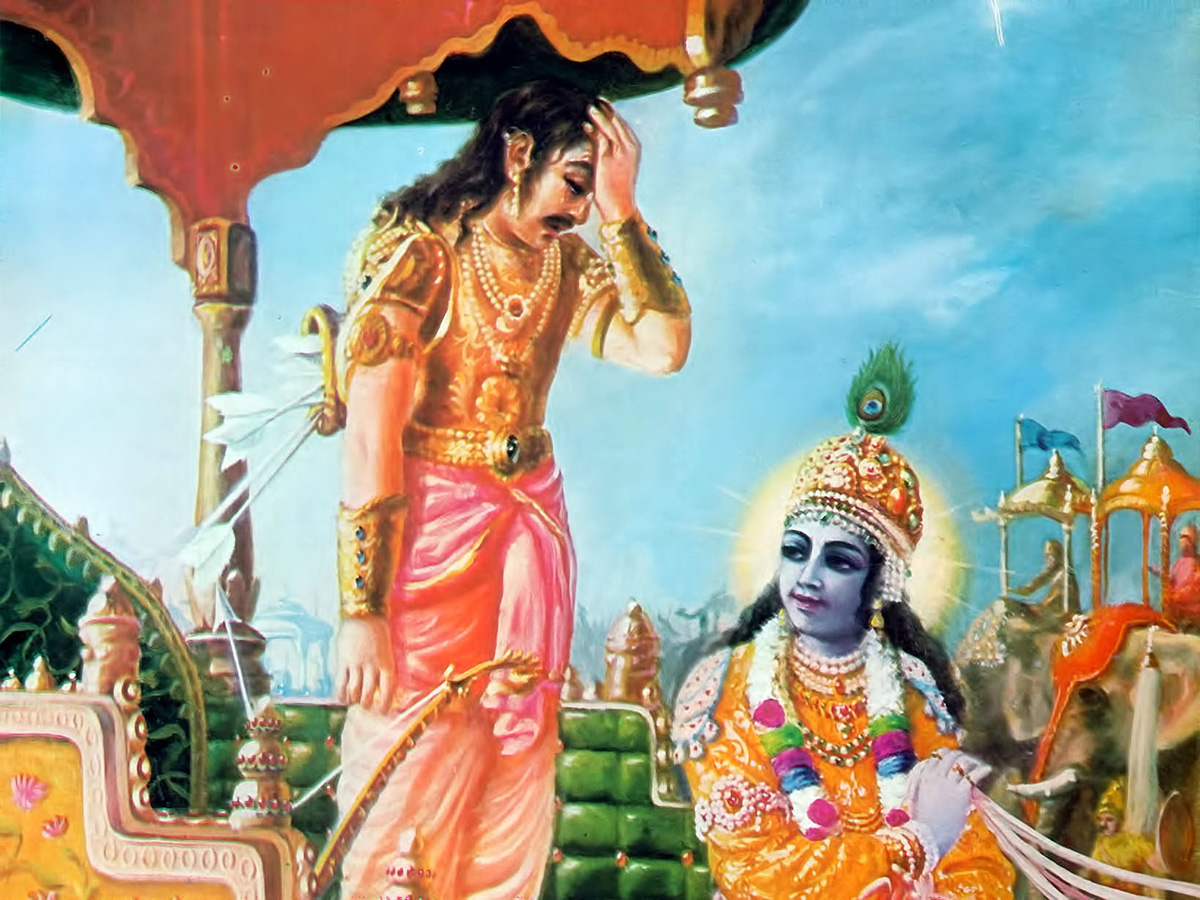
अर्जुन सन्यास लेने की बात कर रहा था, परंतु उस की बात में सन्यास में युद्ध भूमि का त्याग ममता, मोह, भय और अहम के कारण था। यदि वह युद्ध भूमि त्याग कर गैरुवे वस्त्र पहन भी ले, तो भी यह गुण उस के साथ रहेंगे, इस लिए वह त्यागी नही है। इसलिए वह यदि इन गुणों को त्याग कर अपने कर्तव्य कर्म का पालन करते हुए युद्ध करता है, तो वह भी योगी होगा।
वैराग्य में कर्म का अर्थ लोकसंग्रह है, जब व्यक्ति स्वार्थ, लोभ, राग – द्वेष, काम – क्रोध को त्याग कर अपने कर्तव्य कर्म को लोकसंग्रह के लिए करता है, तो वह भी सन्यासी ही है। इसलिए जो जीव अपने सांसारिक इंद्रिय जनित सुखों को त्याग कर, जो भी कार्य परमात्मा को अर्पित करते हुए करता है तो वह योग परमात्मा के कार्य का होने से, वह जीव भी सन्यासी ही है।
इसलिए वह कर्मयोगी सन्यासी ही है जिस में कामना, आसक्ति, कृतृत्त्व और भोक्ता भाव को संकल्प सहित त्याग कर कर्तव्य कर्म को अपना लिया है। इस कर्तव्य कर्म में जनक, कृष्ण और राम ने भी राज्य किया और प्रकृति के संसाधनों का अपने कर्तव्य कर्म के लिए उपयोग किया। इसलिए उच्च पद, अधिकार या सुविधा त्यागने के लिए नही होती, यह सुविधा प्रकृति लोकसंग्रह के योग्य व्यक्ति को उपलब्ध करवाती है। हनुमान प्रसाद जी पोद्दार ने गीता प्रेस के अपना जीवन का होम अपने कर्तव्य कर्म के लिए किया, उन्हे प्रसिद्धि की कोई लालसा नहीं थी। देश और धर्म के अनेक लोगो ने बलिदान कर्तव्य कर्म के बिना किसी कामना और आसक्ति के किया। अनेक वैज्ञानिक निरंतर नए नए अविष्कार भी जन कल्याण के लिए करते है। वे उस का पेटेंट आदि ले कर व्यापार नही करते। वे व्यापार से धन संग्रह कर के उसे लोक कल्याण में लगाते है। इसलिए जब कर्मयोगी सांसारिक गतिविधियों को सांसारिक तरीके से भी स्वयं के सुख, साधनों, वासनाओं और इच्छा पूर्ति के लिए नही करता, तो वह सब कार्य करता हुया भी सन्यासी ही है।
अभी तक बचपन से जिन्होंने संसार के लिए घर त्याग कर साधु भेष धारण किया, जो गृहस्थ नही है, हम सन्यासी मानते थे किंतु अधिकांश महऋषि और देवता हमे गृहस्थ ही मिलते है।
अगले श्लोक में जिस योग की प्रशंसा की गयी है उस योग की प्राप्ति का उपाय को पढ़ते है।
।। हरि ॐ तत सत ।। 6.02।।
Complied by: CA R K Ganeriwala ( +91 9422310075)